Organic Grain & Seed Blend
Auto-generated content. This description was generated automatically and is pending editorial review. Inaccuracies are possible. Found a mistake? Contact us.
What it is
This is a mix of various grains and seeds, often including whole grains like oats, wheat, quinoa, and amaranth, along with seeds such as flax, chia, and sunflower. The specific components can vary widely depending on the product. The grains and seeds are typically cleaned, processed (like flaking or milling), and then blended together.
Why it's used
Manufacturers use this blend to add texture, nutritional value, and a wholesome appearance to foods. It can contribute fiber, protein, and healthy fats. It is commonly found in baked goods like breads and muffins, as well as in snacks such as crackers, granola bars, and tortilla chips.
Health notes
Organic Grain & Seed Blend is generally recognized as safe by the FDA when used as a food ingredient. It is a source of dietary fiber and various micronutrients. International bodies like JECFA and EFSA have evaluated many individual grains and seeds, generally finding them safe for consumption. The health benefits are primarily associated with the whole grains and seeds themselves, which are encouraged in healthy eating patterns.
Allergen info
This blend may contain wheat, which is one of the 9 FDA major allergens. It may also contain gluten if wheat or barley are included. It is not derived from milk, egg, fish, shellfish, tree nuts, peanuts, or sesame.
Products containing Organic Grain & Seed Blend
Compare products →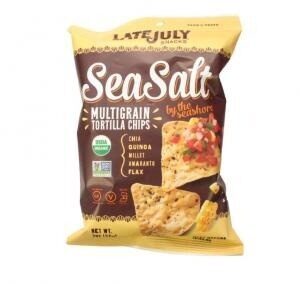 Late July Snacks, LLC
Multigrain Tortilla Chips, Sea Salt
464kcal
7.1Protein
21.4Fat
60.7Carbs
Late July Snacks, LLC
Multigrain Tortilla Chips, Sea Salt
464kcal
7.1Protein
21.4Fat
60.7Carbs
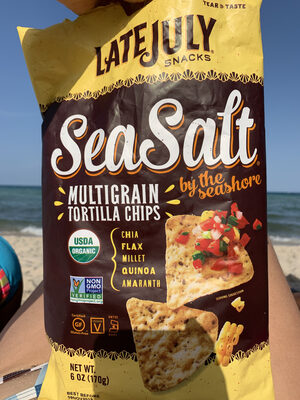 Late July Snacks, LLC
Seasalt By The Seashore Multigrain Tortilla Chips, Seasalt
464kcal
7.1Protein
21.4Fat
60.7Carbs
Late July Snacks, LLC
Mild Green Mojo Multigrain Tortilla Chips, Mild Green Mojo
429kcal
7.1Protein
21.4Fat
60.7Carbs
Snyder's-Lance, Inc.
Sea Salt Multigrain Tortilla Chips, Sea Salt
464kcal
7.1Protein
21.4Fat
60.7Carbs
Late July Snacks, LLC
Seasalt By The Seashore Multigrain Tortilla Chips, Seasalt
464kcal
7.1Protein
21.4Fat
60.7Carbs
Late July Snacks, LLC
Mild Green Mojo Multigrain Tortilla Chips, Mild Green Mojo
429kcal
7.1Protein
21.4Fat
60.7Carbs
Snyder's-Lance, Inc.
Sea Salt Multigrain Tortilla Chips, Sea Salt
464kcal
7.1Protein
21.4Fat
60.7Carbs
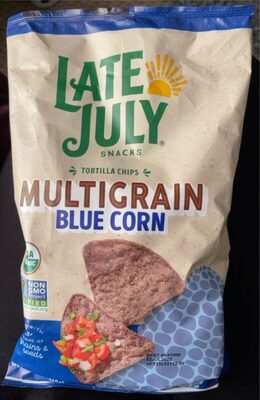 Snyder's-Lance INC.
Late July Snacks, Organic Multigrain Blue Corn Tortilla Chips, 7.5-oz. Bag
464kcal
7.1Protein
25Fat
57.1Carbs
Snyder's-Lance INC.
Late July Snacks, Organic Multigrain Blue Corn Tortilla Chips, 7.5-oz. Bag
464kcal
7.1Protein
25Fat
57.1Carbs
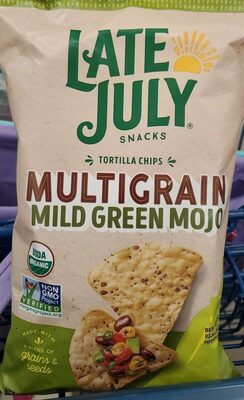 Snyder's-Lance INC.
Late July Snacks, Organic Mild Green Mojo Tortilla Chips, 7.5-oz. Bag
429kcal
7.1Protein
21.4Fat
60.7Carbs
Snyder's-Lance INC.
Late July Snacks, Organic Mild Green Mojo Tortilla Chips, 7.5-oz. Bag
429kcal
7.1Protein
21.4Fat
60.7Carbs