Organic Kale
What is Organic Kale?
Kale is a leafy green vegetable, a member of the cabbage family. It is grown worldwide and is known for its nutrient-dense leaves. It can be eaten raw, steamed, or cooked in various dishes.
Is Organic Kale vegan?
Organic Kale is not animal-derived. Products that contain it can still include other animal-derived ingredients, so check the full ingredient list.
Is Organic Kale gluten-free?
It does not contain gluten.
Is Organic Kale a major allergen?
Kale is not one of the 9 FDA major allergens.
What is Organic Kale used for?
Kale is used as a nutritious ingredient in packaged foods.
Is Organic Kale safe?
Kale is a good source of vitamins A, C, and K, as well as minerals like calcium and potassium.
Why it's used
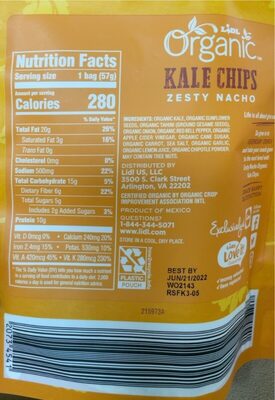
Kale is used as a nutritious ingredient in packaged foods. It is often found in smoothies, chips, and soups, adding a vegetable component and a slightly bitter flavor. Manufacturers may also use it for its vibrant green color.
Health notes
Kale is a good source of vitamins A, C, and K, as well as minerals like calcium and potassium. The US FDA recognizes kale as a food ingredient. Regulatory bodies like the European Food Safety Authority (EFSA) have evaluated kale and its components. While generally considered healthy, consuming very large amounts of raw cruciferous vegetables like kale may affect thyroid function in individuals with iodine deficiency.
Allergen info
Kale is not one of the 9 FDA major allergens. It does not contain gluten.
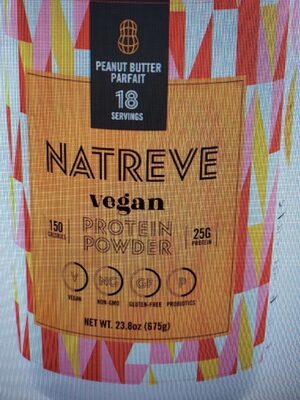
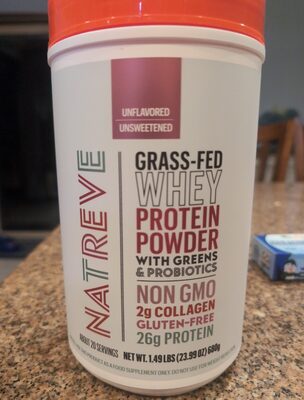
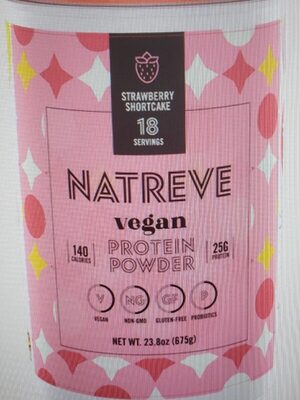
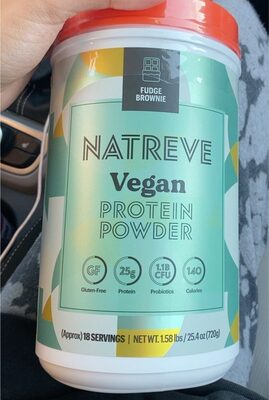
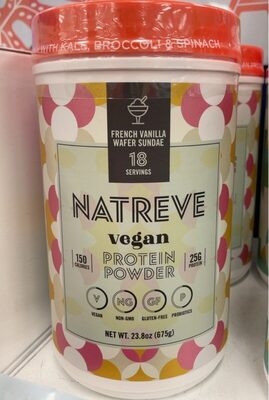
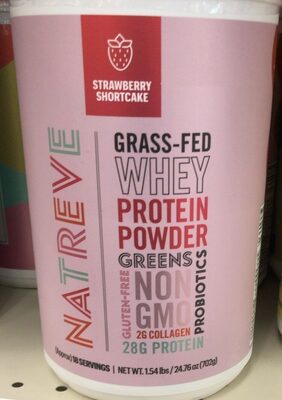
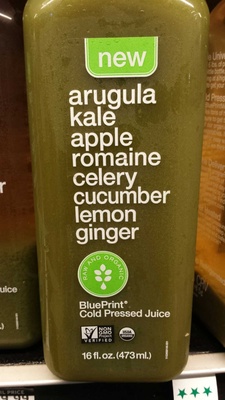
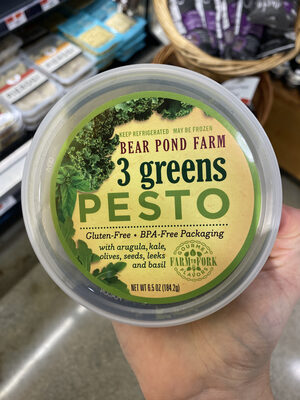
Foods that contain Organic Kale
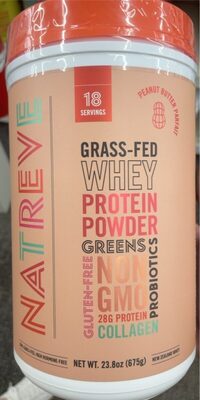
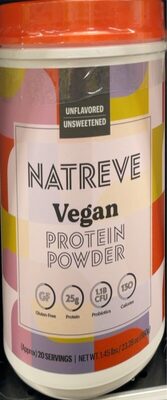
Compare products →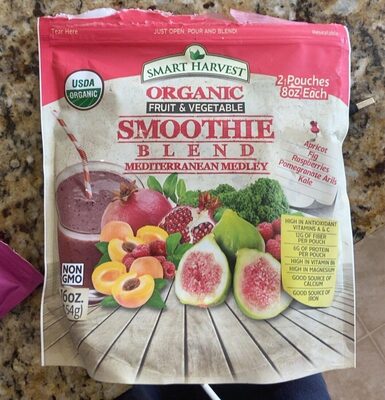
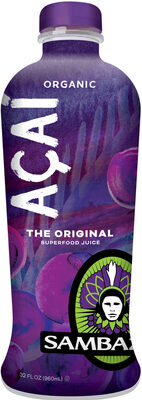
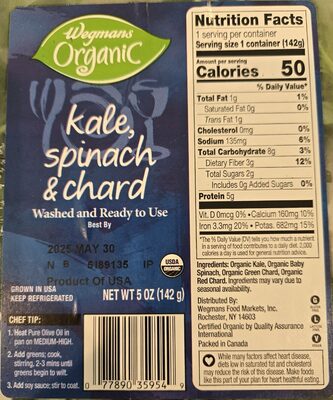
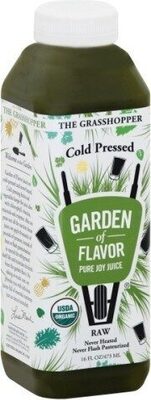
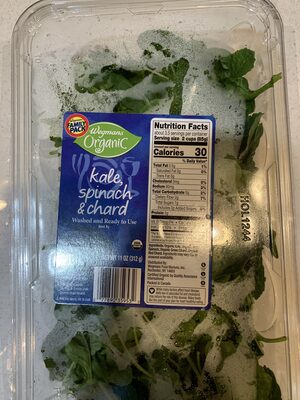
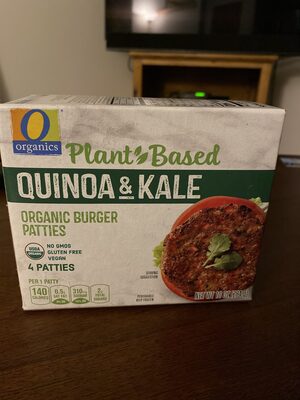

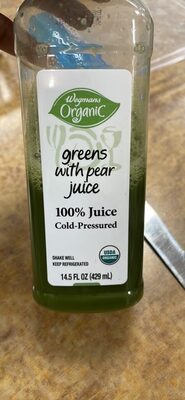

Auto-generated content. This description was generated automatically and is pending editorial review. Inaccuracies are possible. Found a mistake? Contact us.