Organic Powdered Cellulose
Auto-generated content. This description was generated automatically and is pending editorial review. Inaccuracies are possible. Found a mistake? Contact us.
What it is
Organic powdered cellulose is a purified form of cellulose, which is a natural fiber found in the cell walls of plants. It is typically made from wood pulp or cotton linters. The cellulose is mechanically processed and purified to create a fine powder.
Why it's used
Manufacturers add powdered cellulose as an anti-caking agent to prevent powders from clumping, and as a thickener or stabilizer in processed foods. It is often found in shredded cheeses, baked goods, and powdered mixes.
Health notes
In the US, powdered cellulose is generally recognized as safe (GRAS) by the FDA when used as intended. It is a non-digestible fiber, meaning it passes through the body without being absorbed. International bodies like JECFA and EFSA have evaluated cellulose and its derivatives. Evidence does not suggest adverse health effects from typical dietary intake.
Allergen info
Powdered cellulose is not derived from any of the nine FDA major allergens. It does not contain gluten.
Products containing Organic Powdered Cellulose
Compare products →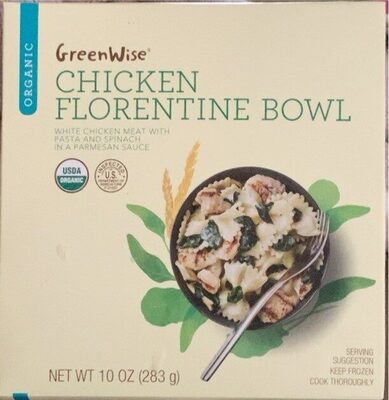 Publix Super Markets, Inc.
Chicken Florentine Bowl White Chicken Meat With Pasta And Spinach In A Parmesan Sauce, Chicken Florentine Bowl
High in sodium — 22% DV per serving
High in saturated fat — 22% DV per serving
120kcal
7.8Protein
3.2Fat
15.2Carbs
Target Stores
Organic Pasta Florentine With A Creamy Alfredo & Spinach Sauce, Florentine
High in sodium — 35% DV per serving
High in saturated fat — 50% DV per serving
212kcal
9.4Protein
10Fat
21.2Carbs
Publix Super Markets, Inc.
Chicken Florentine Bowl White Chicken Meat With Pasta And Spinach In A Parmesan Sauce, Chicken Florentine Bowl
High in sodium — 22% DV per serving
High in saturated fat — 22% DV per serving
120kcal
7.8Protein
3.2Fat
15.2Carbs
Target Stores
Organic Pasta Florentine With A Creamy Alfredo & Spinach Sauce, Florentine
High in sodium — 35% DV per serving
High in saturated fat — 50% DV per serving
212kcal
9.4Protein
10Fat
21.2Carbs