Vegetable Enzymes
Auto-generated content. This description was generated automatically and is pending editorial review. Inaccuracies are possible. Found a mistake? Contact us.
What it is
Vegetable enzymes are proteins produced by plants that speed up chemical reactions. They are often extracted from fruits like papayas and pineapples, or from fungi and yeast. These enzymes are used in food processing to break down other ingredients.
Why it's used
Manufacturers use vegetable enzymes to help tenderize meat, improve dough texture in baking, and aid in cheese production. They can also be used to clarify juices and wines. You'll find them in products like baked goods, dairy products, and processed meats.
Health notes
Vegetable enzymes are generally recognized as safe (GRAS) by the FDA when used for their intended purpose. They are proteins that are typically broken down during digestion. International bodies like JECFA have evaluated enzymes used in food, and they are widely used globally. No significant health concerns are associated with typical consumption levels.
Allergen info
Vegetable enzymes themselves are not typically considered major allergens. However, if derived from sources like wheat or soy, they could potentially contain trace amounts of allergens or gluten, depending on the manufacturing process.
Products containing Vegetable Enzymes
Compare products →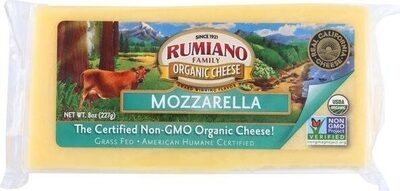 Rumiano Cheese Co.
Mozzarella Cheese, Mozzarella
High in saturated fat — 22% DV per serving
321kcal
25Protein
25Fat
3.6Carbs
Rumiano Cheese Co.
Organic Cheese, Smoked Mozzarella
High in saturated fat — 20% DV per serving
321kcal
25Protein
21.4Fat
3.6Carbs
Rumiano Cheese Co.
Mozzarella Cheese, Mozzarella
High in saturated fat — 22% DV per serving
321kcal
25Protein
25Fat
3.6Carbs
Rumiano Cheese Co.
Organic Cheese, Smoked Mozzarella
High in saturated fat — 20% DV per serving
321kcal
25Protein
21.4Fat
3.6Carbs