Organic Red Chard
What is Organic Red Chard?
Organic red chard is a leafy green vegetable, a variety of the species *Beta vulgaris*. It is grown without synthetic pesticides or fertilizers. The leaves and stems are edible and have a slightly bitter, earthy flavor.
Is Organic Red Chard vegan?
Organic Red Chard is not animal-derived. Products that contain it can still include other animal-derived ingredients, so check the full ingredient list.
Is Organic Red Chard gluten-free?
It does not contain gluten.
Is Organic Red Chard a major allergen?
Red chard is not one of the 9 FDA major allergens.
What is Organic Red Chard used for?
Red chard is primarily used as a fresh vegetable in salads, sautés, and other cooked dishes.
Is Organic Red Chard safe?
Red chard is a source of vitamins, minerals, and antioxidants.
Why it's used
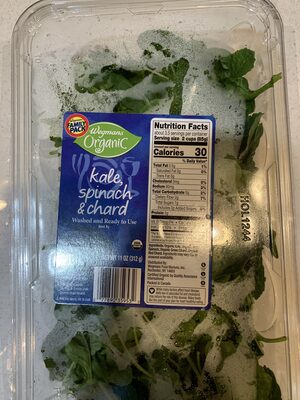
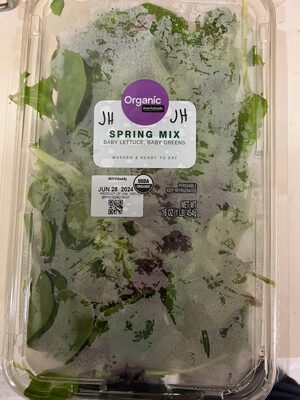
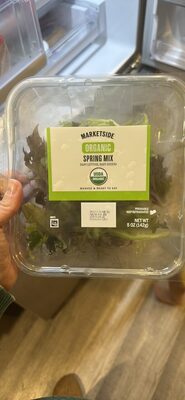
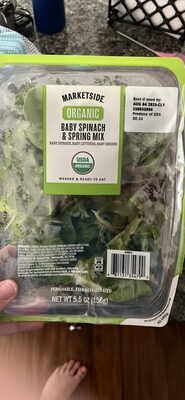
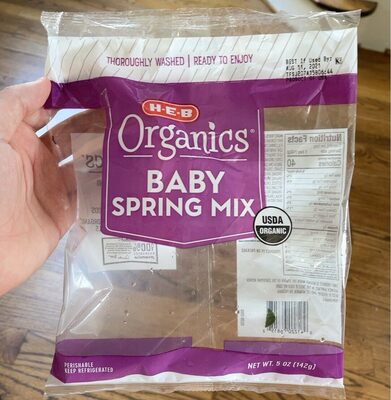
Red chard is primarily used as a fresh vegetable in salads, sautés, and other cooked dishes. Manufacturers may include it in packaged salad mixes or as a component in vegetable blends. Its vibrant red stems add color to food products.
Health notes
Red chard is a source of vitamins, minerals, and antioxidants. It is not an added ingredient in the typical sense but rather a whole food. The U.S. Food and Drug Administration (FDA) generally recognizes leafy greens like chard as safe for consumption. International bodies like the European Food Safety Authority (EFSA) have evaluated nutrients found in vegetables, but not red chard specifically as an additive.
Allergen info
Red chard is not one of the 9 FDA major allergens. It does not contain gluten.
Foods that contain Organic Red Chard
Compare products →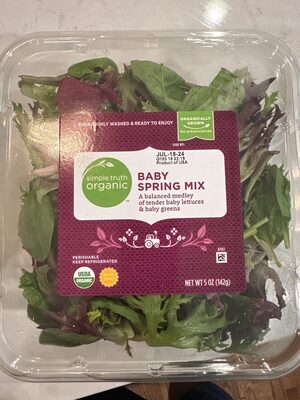
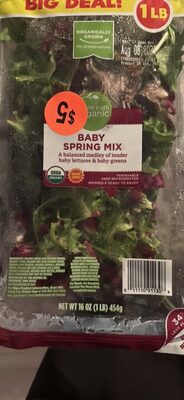
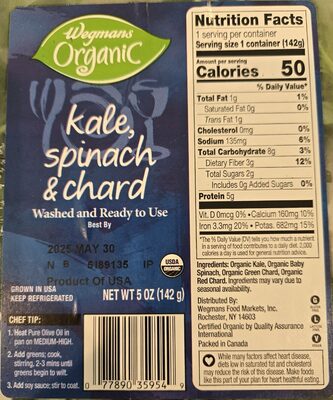
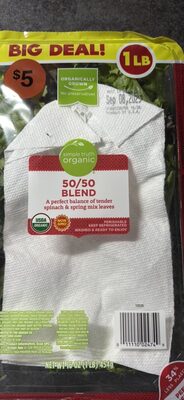
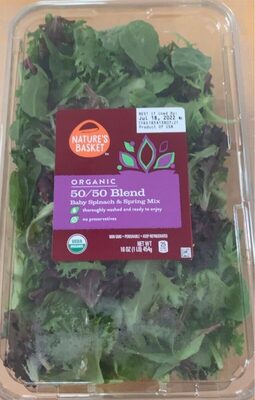
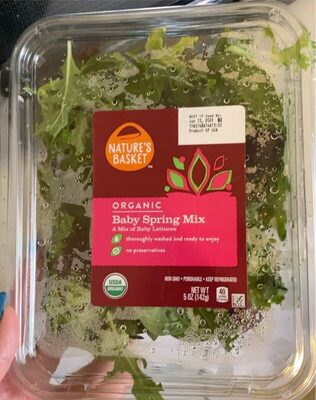
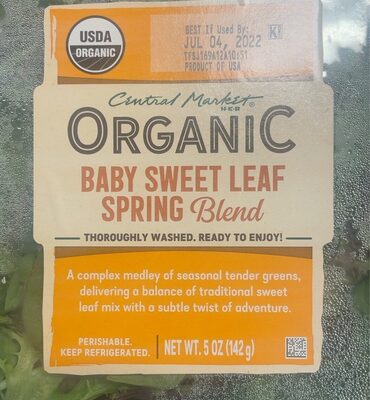
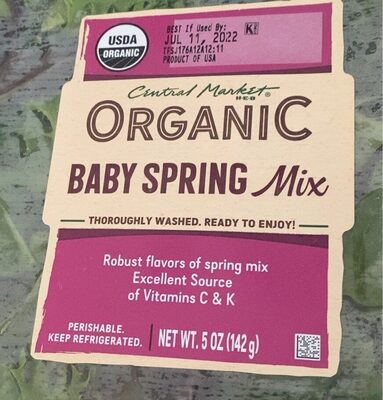
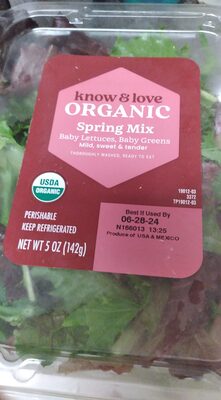
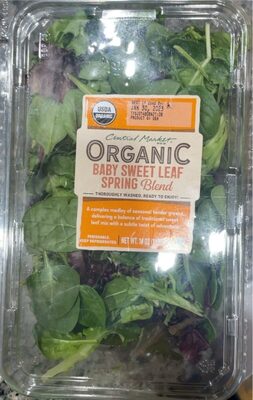
Auto-generated content. This description was generated automatically and is pending editorial review. Inaccuracies are possible. Found a mistake? Contact us.