Organic Sea Salt
Auto-generated content. This description was generated automatically and is pending editorial review. Inaccuracies are possible. Found a mistake? Contact us.
What it is
Sea salt is salt produced by evaporating seawater. It is harvested from oceans and seas around the world. The process typically involves channeling seawater into shallow ponds where the sun and wind evaporate the water, leaving behind salt crystals.
Why it's used
Sea salt is primarily used to enhance the flavor of foods, providing a salty taste. It can also be used as a preservative and a texturizer in baked goods and processed foods. It is commonly found in snacks, baked goods, processed meats, and condiments.
Health notes
Sea salt is generally recognized as safe (GRAS) by the U.S. Food and Drug Administration (FDA) for use as a food ingredient. It is chemically similar to table salt, consisting mainly of sodium chloride. While sodium is an essential nutrient, excessive intake is linked to high blood pressure. The World Health Organization (WHO) recommends limiting sodium intake. JECFA has evaluated salt and its components, and EFSA has also assessed sodium chloride.
Allergen info
Sea salt is not derived from any of the nine major allergens. It does not contain gluten.
Products containing Organic Sea Salt
Compare products →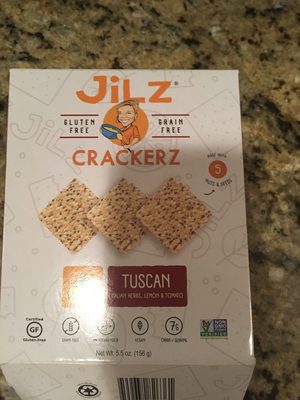 JILZ
Tuscan Crackerz, Tuscan
385kcal
11.5Protein
30.8Fat
26.9Carbs
JILZ
Sea Salt & Cracked Pepper Crackerz, Original
385kcal
11.5Protein
30.8Fat
26.9Carbs
FINE & RAW
Sea Salt Chocolate
589kcal
10.7Protein
39.3Fat
50Carbs
SO Good Brand, Inc.
Organic Cold Press Peace Coffee, Vanilla Nutte
54kcal
1.1Protein
2.8Fat
6.5Carbs
SO Good Brand, Inc.
Organic Cold Press Peace Coffee, Lavender Nutte
54kcal
1.1Protein
2.8Fat
6.5Carbs
SO Good Brand, Inc.
Organic Cold Press Peace Coffee, Cashew Mocha
62kcal
1.7Protein
3.4Fat
7.6Carbs
Pop Stars LLC
Pop Stars, Pops, Chocolate Salted Coconut, Chocolate Salted Coconut
High in saturated fat — 25% DV per serving
222kcal
1.4Protein
8.3Fat
34.7Carbs
Bader Publishing
Truffle Chunky, Chocolate
High in saturated fat — 60% DV per serving
510kcal
4.8Protein
33.3Fat
47.6Carbs
OneTeam Humanity Foods
Nut Balls
245kcal
7.5Protein
16.0Fat
21.7Carbs
Know Brands, Inc.
Know Better Cookie, Chocolate Chip
High in saturated fat — 60% DV per serving
346kcal
15.8Protein
28.1Fat
36.8Carbs
Jilz Snackerz LLC
Gluten & Grain Free Crackerz
385kcal
11.5Protein
30.8Fat
26.9Carbs
Jilz Snackerz LLC
Smokin' Southwest Crackerz, Smokin' Southwest
385kcal
11.5Protein
30.8Fat
26.9Carbs
JILZ
Tuscan Crackerz, Tuscan
385kcal
11.5Protein
30.8Fat
26.9Carbs
JILZ
Sea Salt & Cracked Pepper Crackerz, Original
385kcal
11.5Protein
30.8Fat
26.9Carbs
FINE & RAW
Sea Salt Chocolate
589kcal
10.7Protein
39.3Fat
50Carbs
SO Good Brand, Inc.
Organic Cold Press Peace Coffee, Vanilla Nutte
54kcal
1.1Protein
2.8Fat
6.5Carbs
SO Good Brand, Inc.
Organic Cold Press Peace Coffee, Lavender Nutte
54kcal
1.1Protein
2.8Fat
6.5Carbs
SO Good Brand, Inc.
Organic Cold Press Peace Coffee, Cashew Mocha
62kcal
1.7Protein
3.4Fat
7.6Carbs
Pop Stars LLC
Pop Stars, Pops, Chocolate Salted Coconut, Chocolate Salted Coconut
High in saturated fat — 25% DV per serving
222kcal
1.4Protein
8.3Fat
34.7Carbs
Bader Publishing
Truffle Chunky, Chocolate
High in saturated fat — 60% DV per serving
510kcal
4.8Protein
33.3Fat
47.6Carbs
OneTeam Humanity Foods
Nut Balls
245kcal
7.5Protein
16.0Fat
21.7Carbs
Know Brands, Inc.
Know Better Cookie, Chocolate Chip
High in saturated fat — 60% DV per serving
346kcal
15.8Protein
28.1Fat
36.8Carbs
Jilz Snackerz LLC
Gluten & Grain Free Crackerz
385kcal
11.5Protein
30.8Fat
26.9Carbs
Jilz Snackerz LLC
Smokin' Southwest Crackerz, Smokin' Southwest
385kcal
11.5Protein
30.8Fat
26.9Carbs