Organic Shallots
What is Organic Shallots?
Shallots are a type of onion with a milder, sweeter flavor. They grow in clusters and are closely related to garlic and leeks. Shallots are cultivated from bulbs and are used fresh or dried.
Is Organic Shallots vegan?
Organic Shallots is not animal-derived. Products that contain it can still include other animal-derived ingredients, so check the full ingredient list.
Is Organic Shallots gluten-free?
They do not contain gluten.
Is Organic Shallots a major allergen?
Shallots are not one of the nine major allergens recognized by the FDA.
What is Organic Shallots used for?
Shallots are primarily used to add a delicate, savory flavor to foods.
Is Organic Shallots safe?
Shallots are generally recognized as safe (GRAS) by the FDA when used as a food ingredient.
Why it's used
Shallots are primarily used to add a delicate, savory flavor to foods. They are common in sauces, dressings, marinades, and roasted dishes. Manufacturers use them as a flavoring agent in a variety of prepared foods.
Health notes
Shallots are generally recognized as safe (GRAS) by the FDA when used as a food ingredient. They are a source of nutrients like vitamin C and certain minerals. International bodies like EFSA have evaluated alliums (the onion family) for safety. No specific health concerns are associated with the consumption of shallots at typical dietary levels.
Allergen info
Shallots are not one of the nine major allergens recognized by the FDA. They do not contain gluten.
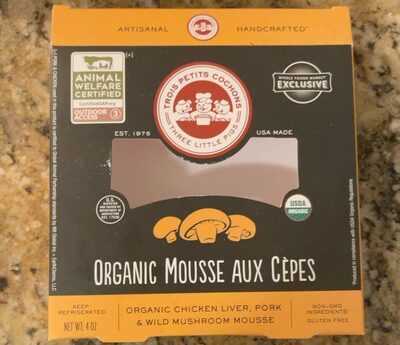
Foods that contain Organic Shallots
Compare products →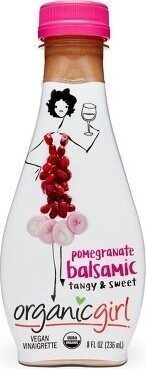
Auto-generated content. This description was generated automatically and is pending editorial review. Inaccuracies are possible. Found a mistake? Contact us.