Organic Shelled Edamame
What is Organic Shelled Edamame?
Edamame are immature soybeans, typically harvested while still in the pod. The beans are then shelled, often blanched, and frozen for preservation. They are a whole, unprocessed food derived from the soybean plant.
Is Organic Shelled Edamame vegan?
Organic Shelled Edamame is not animal-derived. Products that contain it can still include other animal-derived ingredients, so check the full ingredient list.
Is Organic Shelled Edamame a major allergen?
Soy is one of the 9 FDA major allergens.
What is Organic Shelled Edamame used for?
Manufacturers use edamame as a whole food ingredient, adding a source of plant-based protein and fiber.
Is Organic Shelled Edamame safe?
Edamame is a whole food and is generally recognized as safe by the FDA.
Why it's used
Manufacturers use edamame as a whole food ingredient, adding a source of plant-based protein and fiber. They are commonly found in frozen vegetable mixes, prepared meals, and as a standalone frozen vegetable product.
Health notes
Edamame is a whole food and is generally recognized as safe by the FDA. It is a good source of protein, fiber, and various vitamins and minerals. Regulatory bodies like EFSA have evaluated soybeans and soy products, generally finding them safe for consumption. While soy contains isoflavones, which have been studied for various health effects, typical consumption as part of a balanced diet is not associated with adverse health outcomes.
Allergen info
Soy is one of the 9 FDA major allergens. Edamame is derived from soybeans.
Foods that contain Organic Shelled Edamame
Compare products →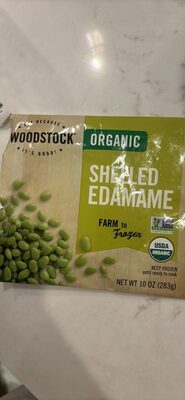 United Natural Foods, Inc.
Organic Shelled Edamame
140kcal
11Protein
5Fat
11Carbs
Sno Pac Foods, Inc.
Organic Midwest Soup Mix
54kcal
2.4Protein
0.6Fat
10.8Carbs
Market Basket Inc.
Organic Shelled Edamame
157kcal
16.9Protein
5.6Fat
13.5Carbs
Meijer, Inc.
Organic Mukimame Shelled Edamame
141kcal
11.8Protein
5.9Fat
10.6Carbs
United Natural Foods, Inc.
Organic Shelled Edamame
140kcal
11Protein
5Fat
11Carbs
Sno Pac Foods, Inc.
Organic Midwest Soup Mix
54kcal
2.4Protein
0.6Fat
10.8Carbs
Market Basket Inc.
Organic Shelled Edamame
157kcal
16.9Protein
5.6Fat
13.5Carbs
Meijer, Inc.
Organic Mukimame Shelled Edamame
141kcal
11.8Protein
5.9Fat
10.6Carbs
Learn more
Auto-generated content. This description was generated automatically and is pending editorial review. Inaccuracies are possible. Found a mistake? Contact us.