Organic Sourdough Culture
What is Organic Sourdough Culture?
Organic sourdough culture is a living mixture of wild yeasts and bacteria, typically originating from a combination of flour and water. It is cultivated and maintained over time, feeding on flour and water to keep the microorganisms active and ready for baking.
Is Organic Sourdough Culture vegan?
Organic Sourdough Culture is not animal-derived. Products that contain it can still include other animal-derived ingredients, so check the full ingredient list.
Is Organic Sourdough Culture gluten-free?
Sourdough culture is typically made from wheat flour, making it a source of gluten.
What is Organic Sourdough Culture used for?
Manufacturers use sourdough culture as a natural leavening agent in baked goods like breads and crackers.
Is Organic Sourdough Culture safe?
Sourdough culture is generally recognized as safe (GRAS) by the FDA for use in food.
Why it's used
Manufacturers use sourdough culture as a natural leavening agent in baked goods like breads and crackers. It contributes a characteristic tangy flavor and chewy texture, and helps the dough rise without commercial yeast.
Health notes
Sourdough culture is generally recognized as safe (GRAS) by the FDA for use in food. The fermentation process can break down some gluten and phytic acid in the flour, potentially making the bread easier to digest for some individuals. JECFA has evaluated sourdough cultures and found them to be safe. No specific health concerns are associated with its typical consumption.
Allergen info
Sourdough culture is typically made from wheat flour, making it a source of gluten. Wheat is one of the 9 FDA major allergens.
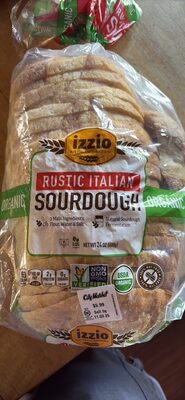
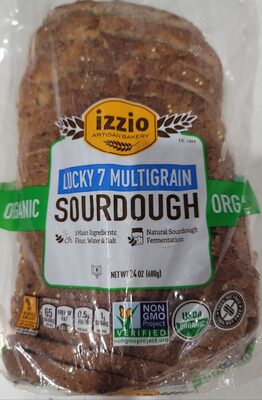
Foods that contain Organic Sourdough Culture
Compare products →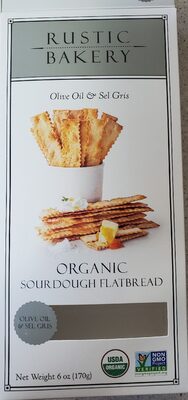
Auto-generated content. This description was generated automatically and is pending editorial review. Inaccuracies are possible. Found a mistake? Contact us.