Organic Whole Wheat Couscous
Auto-generated content. This description was generated automatically and is pending editorial review. Inaccuracies are possible. Found a mistake? Contact us.
What it is
Organic whole wheat couscous is a type of pasta made from durum wheat semolina. It originates from North Africa and is prepared by moistening semolina and rolling it into small, granular pellets, which are then steamed. The 'whole wheat' designation means it includes the entire wheat kernel, while 'organic' indicates it was grown and processed according to organic farming standards.
Why it's used
Manufacturers add whole wheat couscous primarily as a base for main dishes, a side dish, or an ingredient in salads and stuffings. It functions as a staple food component, providing texture and substance to meals. Its quick cooking time makes it a convenient option for packaged entrees and side dishes.
Health notes
As a whole food ingredient, organic whole wheat couscous is not subject to specific FDA additive regulations like GRAS or approved additive status. Whole grains, including whole wheat, are generally recognized as part of a healthy diet. They provide dietary fiber, which supports digestive health. There are no notable controversies regarding the safety of whole wheat couscous at typical intake levels, and it is not evaluated by bodies like JECFA or EFSA as it is a whole food rather than a food additive.
Allergen info
Couscous is made from wheat, which is one of the nine major food allergens identified by the FDA. It also contains gluten.
Products containing Organic Whole Wheat Couscous
Compare products →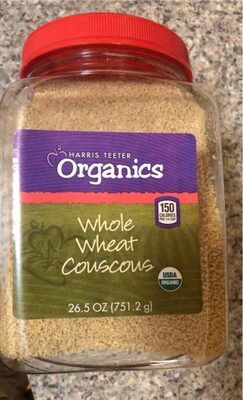 Harris-Teeter Inc.
Organic Whole Wheat Couscous
357kcal
14.3Protein
2.4Fat
71.4Carbs
Woodland Foods
Manitou Trading Company, Organic Tuscan Couscous
359kcal
12.8Protein
2.6Fat
66.7Carbs
Wegmans Food Markets, Inc.
Quick Cook Whole Grain Pasta, Whole Wheat Couscous
333kcal
11.1Protein
2.2Fat
62.2Carbs
Harris-Teeter Inc.
Whole Wheat Couscous
357kcal
14.3Protein
2.4Fat
71.4Carbs
Harris-Teeter Inc.
Organic Whole Wheat Couscous
357kcal
14.3Protein
2.4Fat
71.4Carbs
Woodland Foods
Manitou Trading Company, Organic Tuscan Couscous
359kcal
12.8Protein
2.6Fat
66.7Carbs
Wegmans Food Markets, Inc.
Quick Cook Whole Grain Pasta, Whole Wheat Couscous
333kcal
11.1Protein
2.2Fat
62.2Carbs
Harris-Teeter Inc.
Whole Wheat Couscous
357kcal
14.3Protein
2.4Fat
71.4Carbs
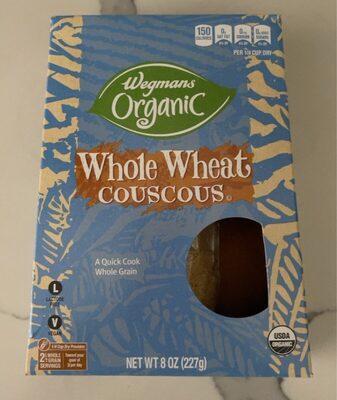 Wegmans Food Markets, Inc.
Whole Wheat Couscous, Whole Wheat
333kcal
11.1Protein
2.2Fat
62.2Carbs
Dr. McDougall's Right Foods, Inc.
Made With Organic Quinoa & Couscous
High in sodium — 21% DV per serving
382kcal
14.7Protein
7.3Fat
64.7Carbs
Tipiak
Tomato & Oregano French Harvest Organic Grains, Tomato; Oregano
327kcal
11.5Protein
3.9Fat
63.5Carbs
Tipiak
Turmeric & Herbes De Provence French Harvest Organic Grains, Turmeric
327kcal
11.5Protein
3.9Fat
63.5Carbs
Tipiak
Roasted Garlic & Olive Oil French Harvest Organic Grains, Roasted Garlic; Olive Oil
327kcal
11.5Protein
3.9Fat
63.5Carbs
Wegmans Food Markets, Inc.
Whole Wheat Couscous, Whole Wheat
333kcal
11.1Protein
2.2Fat
62.2Carbs
Dr. McDougall's Right Foods, Inc.
Made With Organic Quinoa & Couscous
High in sodium — 21% DV per serving
382kcal
14.7Protein
7.3Fat
64.7Carbs
Tipiak
Tomato & Oregano French Harvest Organic Grains, Tomato; Oregano
327kcal
11.5Protein
3.9Fat
63.5Carbs
Tipiak
Turmeric & Herbes De Provence French Harvest Organic Grains, Turmeric
327kcal
11.5Protein
3.9Fat
63.5Carbs
Tipiak
Roasted Garlic & Olive Oil French Harvest Organic Grains, Roasted Garlic; Olive Oil
327kcal
11.5Protein
3.9Fat
63.5Carbs