Organic Wine
What is Organic Wine?
Organic wine is made from grapes grown without synthetic pesticides, herbicides, or fertilizers. The winemaking process also avoids most synthetic additives and sulfites, though small amounts of sulfites are sometimes permitted. It is produced through fermentation, where yeast converts sugars in the grape juice into alcohol and carbon dioxide.
Is Organic Wine gluten-free?
It does not contain gluten.
Is Organic Wine a major allergen?
Wine is not derived from any of the 9 FDA major allergens.
What is Organic Wine used for?
Organic wine is primarily consumed as a beverage.
Is Organic Wine safe?
Organic wine is regulated by the Alcohol and Tobacco Tax and Trade Bureau (TTB) for alcohol content and labeling, and by the FDA for general food safety.
Why it's used
Organic wine is primarily consumed as a beverage. Manufacturers may use it in some food products where a wine flavor is desired, such as sauces or marinades, though this is less common than its direct consumption.
Health notes
Organic wine is regulated by the Alcohol and Tobacco Tax and Trade Bureau (TTB) for alcohol content and labeling, and by the FDA for general food safety. The FDA has not established specific regulations for 'organic' claims on wine beyond those set by the USDA's National Organic Program. While moderate alcohol consumption has been linked to certain health benefits by some studies, excessive intake is associated with numerous health risks. Regulatory bodies like JECFA and EFSA have evaluated alcohol and sulfites, but specific evaluations for 'organic wine' as a distinct ingredient category are not standard.
Allergen info
Wine is not derived from any of the 9 FDA major allergens. It does not contain gluten.
Foods that contain Organic Wine
Compare products →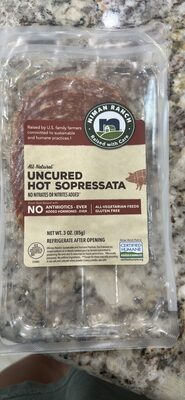
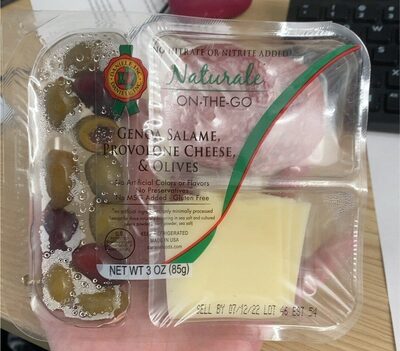





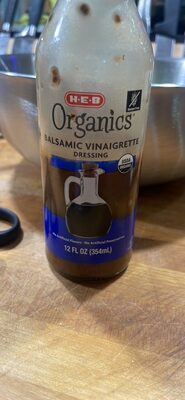
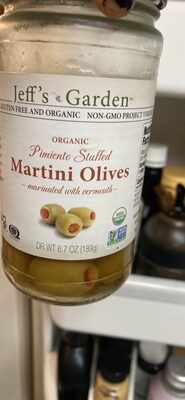
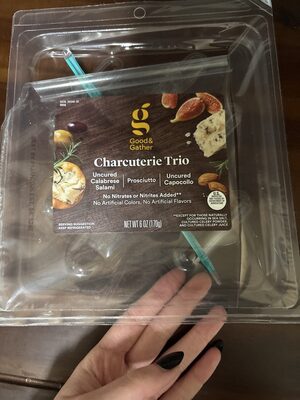




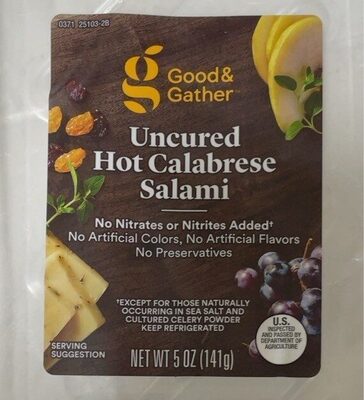

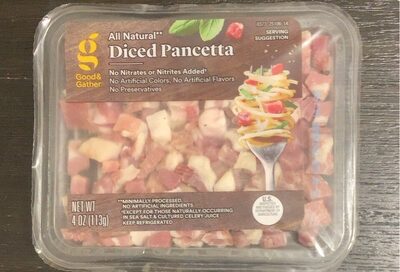


Auto-generated content. This description was generated automatically and is pending editorial review. Inaccuracies are possible. Found a mistake? Contact us.