Starter Culture
What is Starter Culture?
Starter cultures are live microorganisms, often bacteria, used to begin or control fermentation in foods. They are typically grown in a laboratory and then added to food products like dairy or dough. These cultures convert sugars into acids, alcohol, or other compounds, contributing to flavor, texture, and preservation.
Is Starter Culture a major allergen?
Starter cultures themselves are not typically major allergens.
What is Starter Culture used for?
Starter cultures are used to develop characteristic flavors and textures in fermented foods.
Is Starter Culture safe?
Starter cultures are generally recognized as safe (GRAS) by the FDA for use in food.
Why it's used
Starter cultures are used to develop characteristic flavors and textures in fermented foods. They are essential for making cheese, yogurt, sourdough bread, and fermented vegetables. By producing acids, they also help preserve the food and inhibit the growth of spoilage microorganisms.
Health notes
Starter cultures are generally recognized as safe (GRAS) by the FDA for use in food. The specific strains used are selected for their safety and functionality in food production. International bodies like JECFA have evaluated many starter cultures, and they are widely consumed in fermented foods without adverse effects at typical intake levels. There are no widespread controversies regarding their use.
Allergen info
Starter cultures themselves are not typically major allergens. However, they can sometimes be grown on media that may contain allergens like milk or soy. It is important to check product labels for specific allergen information if you have sensitivities.
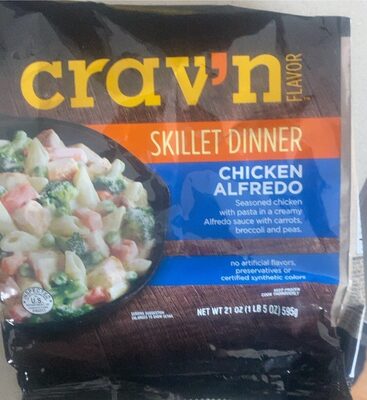
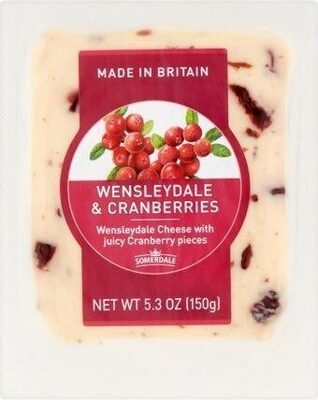
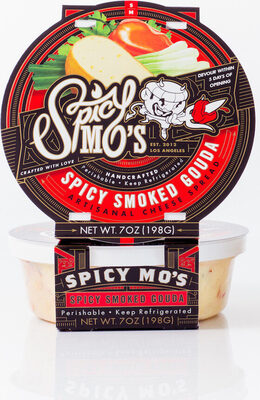
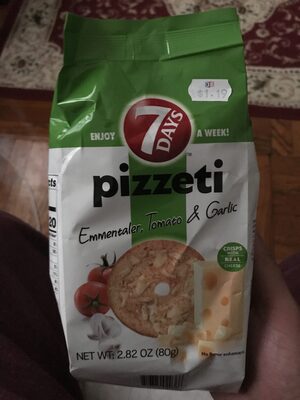
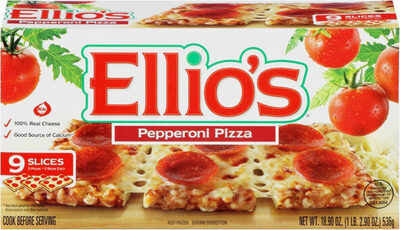
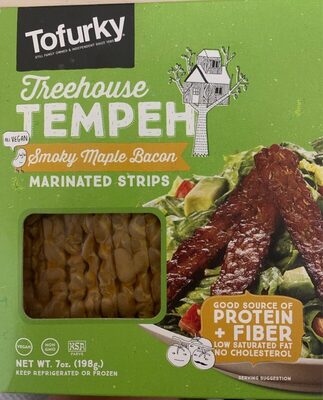
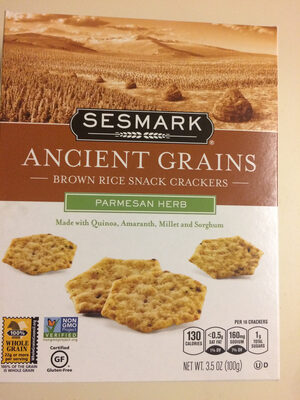
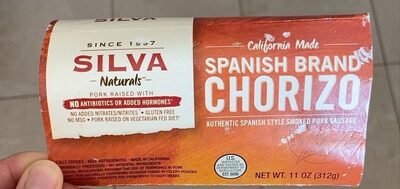
Foods that contain Starter Culture
Compare products →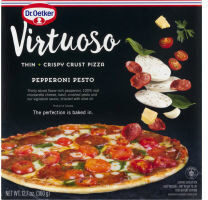
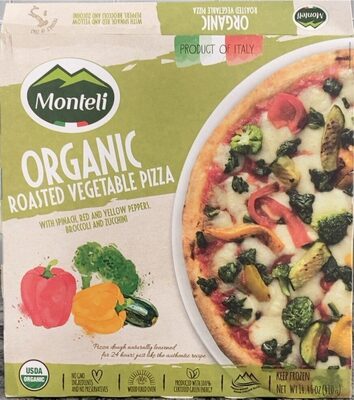
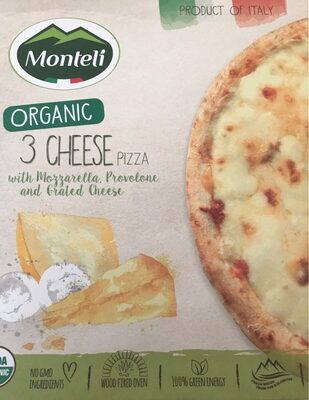
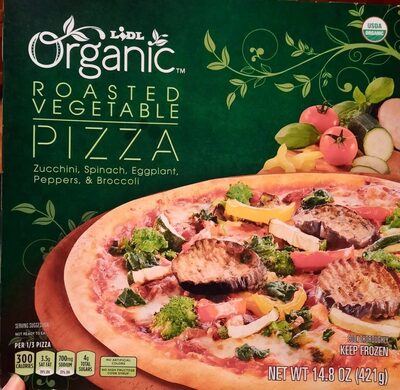



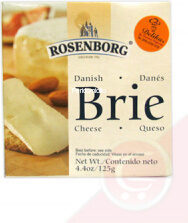
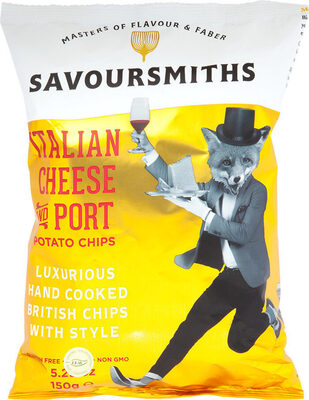
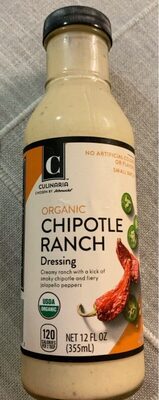
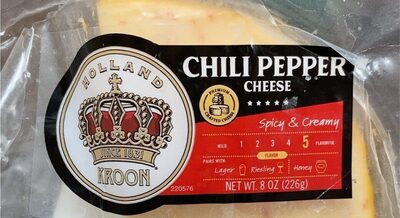
Auto-generated content. This description was generated automatically and is pending editorial review. Inaccuracies are possible. Found a mistake? Contact us.