Organically Grown Whole Wheat
What is Organically Grown Whole Wheat?
Organically grown whole wheat is wheat that has been cultivated without the use of synthetic pesticides, herbicides, or fertilizers. It includes the entire wheat kernel—the bran, germ, and endosperm—providing more fiber and nutrients than refined wheat. It is milled into flour for various food products.
Is Organically Grown Whole Wheat vegan?
Organically Grown Whole Wheat is not animal-derived. Products that contain it can still include other animal-derived ingredients, so check the full ingredient list.
Is Organically Grown Whole Wheat gluten-free?
Whole wheat contains gluten.
Is Organically Grown Whole Wheat a major allergen?
Wheat is one of the 9 major allergens recognized by the FDA.
What is Organically Grown Whole Wheat used for?
Whole wheat flour is used as a primary ingredient in baked goods like bread, pasta, and crackers, providing a nutty flavor and denser texture.
Is Organically Grown Whole Wheat safe?
Whole wheat is a source of dietary fiber, vitamins, and minerals.
Why it's used
Whole wheat flour is used as a primary ingredient in baked goods like bread, pasta, and crackers, providing a nutty flavor and denser texture. Manufacturers choose it for its nutritional profile and the characteristic taste and color it imparts to products.
Health notes
Whole wheat is a source of dietary fiber, vitamins, and minerals. The Dietary Guidelines for Americans recommend making half your grains whole grains. It is not a regulated food additive. Whole wheat contains gluten, a protein that can cause adverse reactions in individuals with celiac disease or non-celiac gluten sensitivity.
Allergen info
Wheat is one of the 9 major allergens recognized by the FDA. Whole wheat contains gluten.
Foods that contain Organically Grown Whole Wheat
Compare products →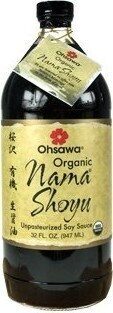
Learn more
Auto-generated content. This description was generated automatically and is pending editorial review. Inaccuracies are possible. Found a mistake? Contact us.