Pale Malt
What is Pale Malt?
Pale malt is a type of malted barley used primarily in brewing beer and making malt beverages. It is made by steeping barley in water, allowing it to germinate, and then drying it with hot air. This process converts starches into fermentable sugars and develops color and flavor.
Is Pale Malt vegan?
Pale Malt is not animal-derived. Products that contain it can still include other animal-derived ingredients, so check the full ingredient list.
Is Pale Malt gluten-free?
Barley contains gluten, so pale malt is not gluten-free.
Is Pale Malt a major allergen?
Pale malt is derived from barley, which is a grain.
What is Pale Malt used for?
Pale malt is used to provide the fermentable sugars necessary for brewing and to contribute a light, sweet, malty flavor and golden color to beverages and some baked goods.
Is Pale Malt safe?
Pale malt is generally recognized as safe (GRAS) by the FDA for use in food.
Why it's used
Pale malt is used to provide the fermentable sugars necessary for brewing and to contribute a light, sweet, malty flavor and golden color to beverages and some baked goods. It is a key ingredient in many beers, malted milk drinks, and non-alcoholic malt beverages.
Health notes
Pale malt is generally recognized as safe (GRAS) by the FDA for use in food. It is a source of carbohydrates and some B vitamins. International bodies like JECFA have evaluated malt and related products. At typical consumption levels, it is not associated with adverse health effects.
Allergen info
Pale malt is derived from barley, which is a grain. It is not one of the FDA's 9 major allergens. Barley contains gluten, so pale malt is not gluten-free.
Foods that contain Pale Malt
Compare products →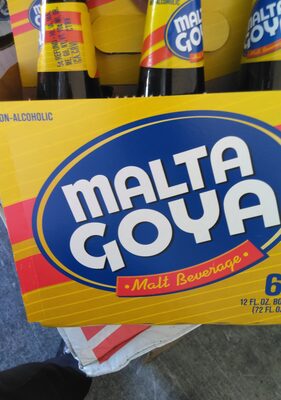
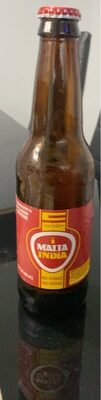
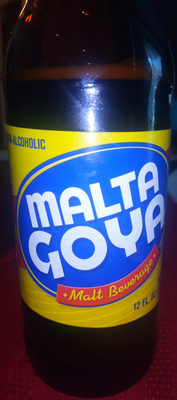
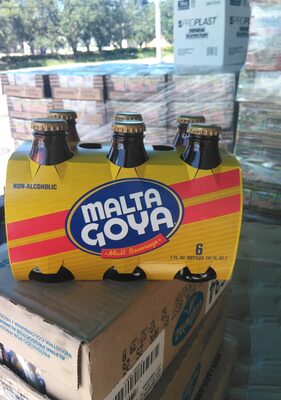
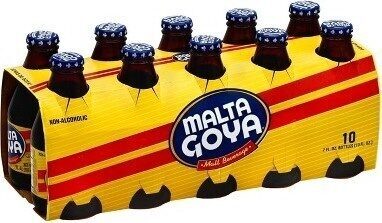
Learn more
Auto-generated content. This description was generated automatically and is pending editorial review. Inaccuracies are possible. Found a mistake? Contact us.