Palm Oil And Canola Oil
What is Palm Oil And Canola Oil?
Palm oil comes from the fruit of oil palm trees, while canola oil is made from rapeseed plants. Both are vegetable oils that are liquid at room temperature. They are often refined and processed for use in food manufacturing.
Is Palm Oil And Canola Oil vegan?
Palm Oil And Canola Oil is not animal-derived. Products that contain it can still include other animal-derived ingredients, so check the full ingredient list.
Is Palm Oil And Canola Oil gluten-free?
They are also gluten-free.
Is Palm Oil And Canola Oil a major allergen?
Neither palm oil nor canola oil are considered major allergens by the FDA.
What is Palm Oil And Canola Oil used for?
These oils are used in a wide variety of processed foods due to their neutral flavor and functional properties.
Is Palm Oil And Canola Oil safe?
Palm oil and canola oil are generally recognized as safe (GRAS) by the FDA for use in food.
Why it's used
These oils are used in a wide variety of processed foods due to their neutral flavor and functional properties. They can act as a fat source, improve texture, and help blend ingredients together. They are commonly found in baked goods like cookies, cakes, and pastries, as well as in snack foods and some processed meals.
Health notes
Palm oil and canola oil are generally recognized as safe (GRAS) by the FDA for use in food. Like other fats, they are calorie-dense. Some research suggests that the type of fat in a diet can impact heart health, but the overall health effects of consuming these oils in typical amounts are a subject of ongoing scientific discussion. Both JECFA and EFSA have evaluated various fats and oils, including these types, as part of broader assessments.
Allergen info
Neither palm oil nor canola oil are considered major allergens by the FDA. They are also gluten-free.
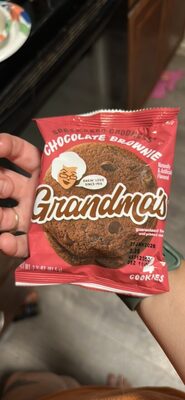
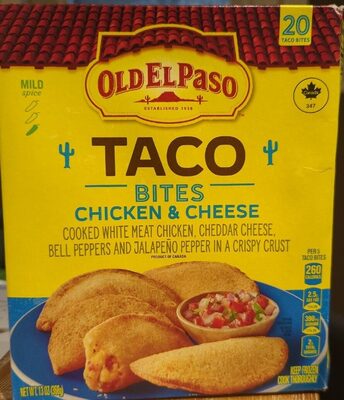
Foods that contain Palm Oil And Canola Oil
Compare products →
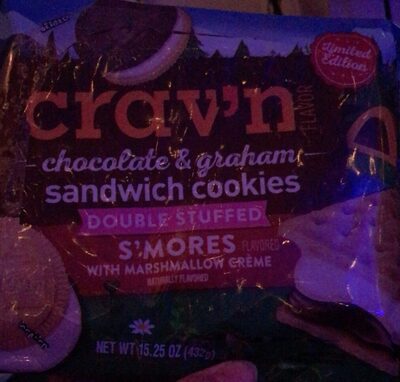
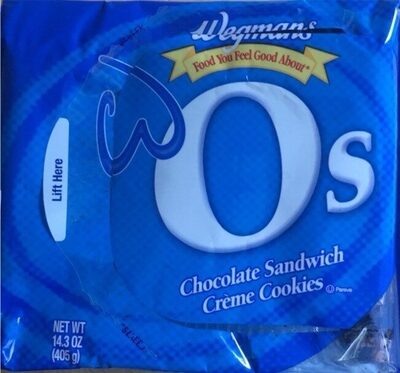
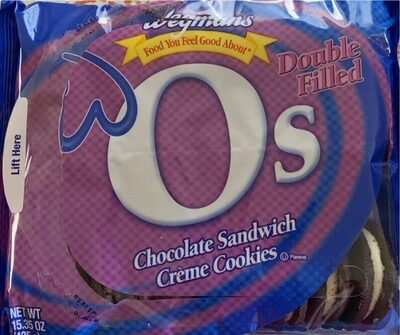
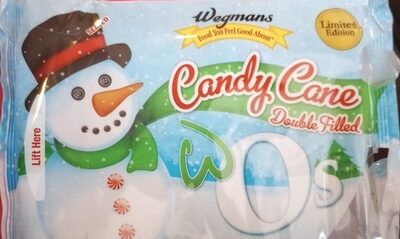
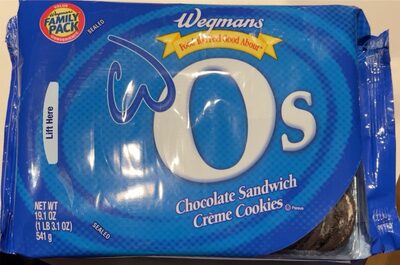
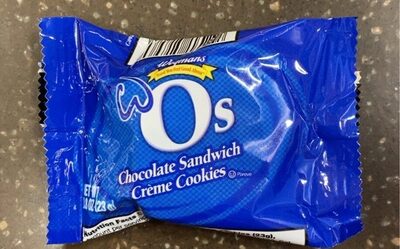
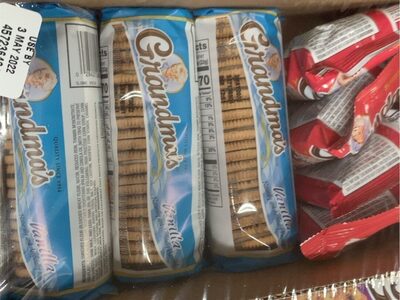
Learn more
Auto-generated content. This description was generated automatically and is pending editorial review. Inaccuracies are possible. Found a mistake? Contact us.