Palm Oil Soybean Oil High Oleic Canola Oil
What is Palm Oil Soybean Oil High Oleic Canola Oil?
This ingredient is a blend of three vegetable oils: palm oil, soybean oil, and high oleic canola oil. Palm oil is extracted from the fruit of oil palm trees, soybean oil comes from soybeans, and high oleic canola oil is derived from a specific type of canola plant bred to produce oil rich in monounsaturated fats. These oils are combined to achieve specific textures, melting points, and nutritional profiles in food products.
Is Palm Oil Soybean Oil High Oleic Canola Oil vegan?
Palm Oil Soybean Oil High Oleic Canola Oil is not animal-derived. Products that contain it can still include other animal-derived ingredients, so check the full ingredient list.
Is Palm Oil Soybean Oil High Oleic Canola Oil a major allergen?
Soybean oil is derived from soy, which is one of the nine major food allergens identified by the FDA.
What is Palm Oil Soybean Oil High Oleic Canola Oil used for?
Manufacturers use this blend to provide desired texture, mouthfeel, and shelf stability in various food items.
Is Palm Oil Soybean Oil High Oleic Canola Oil safe?
Palm oil, soybean oil, and high oleic canola oil are all generally recognized as safe (GRAS) by the FDA for use in food.
Why it's used
Manufacturers use this blend to provide desired texture, mouthfeel, and shelf stability in various food items. It functions as a cooking medium, a source of fat, and contributes to the overall structure of baked goods and other processed foods. This blend is commonly found in products like baked goods, snack foods, and processed convenience items.
Health notes
Palm oil, soybean oil, and high oleic canola oil are all generally recognized as safe (GRAS) by the FDA for use in food. The Dietary Guidelines for Americans (2025-2030) recommend limiting saturated fat intake to less than 10% of total daily calories; palm oil is higher in saturated fat than soybean or high oleic canola oil. Soybean oil and high oleic canola oil are primarily sources of unsaturated fats. JECFA and EFSA typically evaluate food additives, not common food ingredients like these oils for an Acceptable Daily Intake (ADI). The overall health impact depends on the total dietary intake of fats from all sources.
Allergen info
Soybean oil is derived from soy, which is one of the nine major food allergens identified by the FDA. Palm oil and canola oil are not major allergens.
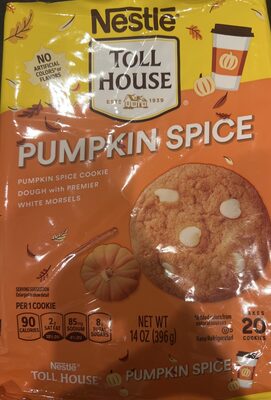
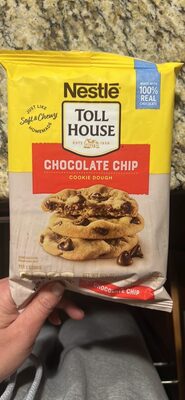
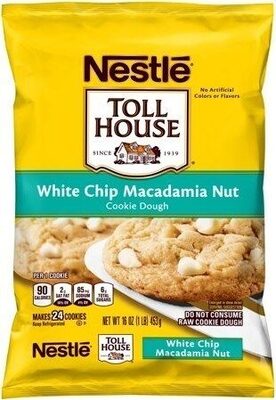
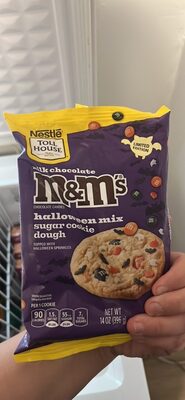
Foods that contain Palm Oil Soybean Oil High Oleic Canola Oil
Compare products →

Learn more
Auto-generated content. This description was generated automatically and is pending editorial review. Inaccuracies are possible. Found a mistake? Contact us.