Palm Oil Sugar
Auto-generated content. This description was generated automatically and is pending editorial review. Inaccuracies are possible. Found a mistake? Contact us.
What it is
Palm oil is a vegetable oil derived from the fruit of oil palm trees. It is a semi-solid at room temperature and is known for its high saturated fat content. The oil is extracted from the flesh of the fruit through a process of crushing and refining.
Why it's used
Palm oil is widely used in processed foods due to its versatility and relatively low cost. It functions as a fat or oil, providing texture and stability in baked goods, confectionery, and spreads. Its semi-solid nature makes it ideal for products like cookies, crackers, and snack cakes.
Health notes
Palm oil is generally recognized as safe (GRAS) by the FDA for use in food. It is a source of saturated fat, and dietary guidelines recommend limiting saturated fat intake. The World Health Organization (WHO) has noted that high intake of saturated fats can be associated with increased risk of heart disease. JECFA has evaluated palm oil and set an acceptable daily intake. Evidence on the health effects of palm oil consumption is mixed, with some studies suggesting potential negative impacts due to its saturated fat content, while others highlight its nutritional profile.
Allergen info
Palm oil is not derived from any of the 9 major allergens. It does not contain gluten.
Products containing Palm Oil Sugar
Compare products →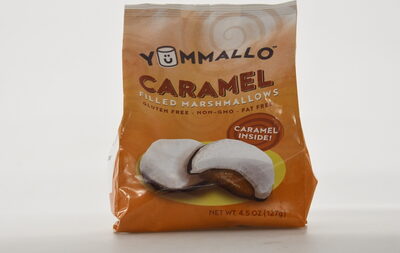 T.G. Foods, Inc.
Gluten Free Caramel Filled Marshmallows, Caramel
High in added sugars — 38% DV per serving
387kcal
3.2Protein
9.7Fat
74.2Carbs
T.G. Foods, Inc.
Gluten Free Caramel Filled Marshmallows, Caramel
High in added sugars — 38% DV per serving
387kcal
3.2Protein
9.7Fat
74.2Carbs
 American Halal Company, Inc.
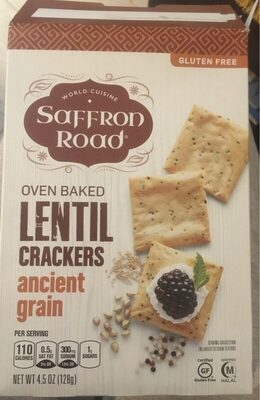
Ancient Grain Gluten Free Oven Baked Lentil Crackers, Ancient Grain
393kcal
7.1Protein
7.1Fat
75Carbs
Telakenises
Salsa
81kcal
3.2Protein
4.8Fat
6.5Carbs
American Halal Company, Inc.
Ancient Grain Gluten Free Oven Baked Lentil Crackers, Ancient Grain
393kcal
7.1Protein
7.1Fat
75Carbs
Telakenises
Salsa
81kcal
3.2Protein
4.8Fat
6.5Carbs
 Oreo Mini, Ritz Bits, Nutter Butter Bites, Chips Ahoy! Mini Snack Pack
High in added sugars — 22% DV per serving
464kcal
3.6Protein
17.9Fat
71.4Carbs
Oreo Mini, Ritz Bits, Nutter Butter Bites, Chips Ahoy! Mini Snack Pack
High in added sugars — 22% DV per serving
464kcal
3.6Protein
17.9Fat
71.4Carbs
 Target Stores
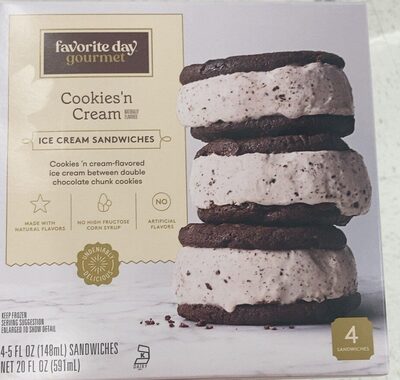
Cookies 'N Cream-Flavored Ice Cream Sandwiches Between Double Chocolate Chunk Cookies, Cookies 'N Cream
High in saturated fat — 45% DV per serving
High in added sugars — 58% DV per serving
300kcal
4.5Protein
15.4Fat
41.8Carbs
Target Stores
Cookies 'N Cream-Flavored Ice Cream Sandwiches Between Double Chocolate Chunk Cookies, Cookies 'N Cream
High in saturated fat — 45% DV per serving
High in added sugars — 58% DV per serving
300kcal
4.5Protein
15.4Fat
41.8Carbs