Paprika Oleoresins
Auto-generated content. This description was generated automatically and is pending editorial review. Inaccuracies are possible. Found a mistake? Contact us.
What it is
Paprika oleoresins are natural food colorings derived from paprika peppers (Capsicum annuum). They are produced by extracting the coloring compounds, primarily capsaicinoids and carotenoids, from the ground peppers using a solvent such as hexane or ethanol. The solvent is then removed, leaving a concentrated oil-based liquid or powder.
Why it's used
Manufacturers use paprika oleoresins to impart a vibrant red to orange color in a wide variety of foods. They are commonly found in processed meats, sauces, snacks, dairy products, and baked goods. Their oil-soluble nature makes them ideal for use in fatty or oil-based food systems.
Health notes
Paprika oleoresins are generally recognized as safe (GRAS) by the FDA for use as a food coloring. The Joint FAO/WHO Expert Committee on Food Additives (JECFA) has evaluated paprika oleoresins and did not specify a numerical acceptable daily intake (ADI). Research suggests that the compounds in paprika oleoresins may have antioxidant properties, but high doses of capsaicinoids can cause digestive upset. Evidence on long-term health effects at typical consumption levels is limited.
Allergen info
Paprika oleoresins are not derived from any of the nine FDA major allergens and do not contain gluten.
Products containing Paprika Oleoresins
Compare products →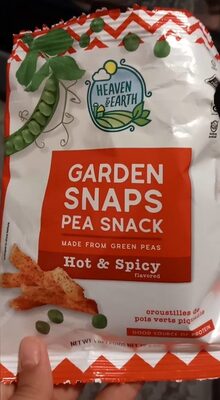 Kenover Marketing Corp.
Hot & Spicy Garden Snaps Pea Snack
357kcal
17.9Protein
7.1Fat
50Carbs
Kenover Marketing Corp.
Hot & Spicy Garden Snaps Pea Snack
357kcal
17.9Protein
7.1Fat
50Carbs