Partially Hydrogenated Cotton Seed Oil
What is Partially Hydrogenated Cotton Seed Oil?
Partially hydrogenated cottonseed oil is a type of fat made from cottonseed oil. It undergoes a process called partial hydrogenation, which changes its liquid form into a more solid or semi-solid fat. This process also creates trans fats.
Is Partially Hydrogenated Cotton Seed Oil vegan?
Partially Hydrogenated Cotton Seed Oil is not animal-derived. Products that contain it can still include other animal-derived ingredients, so check the full ingredient list.
Is Partially Hydrogenated Cotton Seed Oil a major allergen?
Not a major allergen.
What is Partially Hydrogenated Cotton Seed Oil used for?
Manufacturers previously used this ingredient to improve the texture and shelf life of processed foods.
Is Partially Hydrogenated Cotton Seed Oil safe?
The FDA determined in 2015 that partially hydrogenated oils (PHOs) are no longer generally recognized as safe (GRAS) for use in food, with a compliance date of 2018.
Why it's used
Manufacturers previously used this ingredient to improve the texture and shelf life of processed foods. It helped create a desirable mouthfeel and stability in products like baked goods, snack cakes, and some processed soups.
Health notes
The FDA determined in 2015 that partially hydrogenated oils (PHOs) are no longer generally recognized as safe (GRAS) for use in food, with a compliance date of 2018. This action effectively removed most artificial trans fats from the US food supply. This decision was based on scientific evidence linking artificial trans fats to increased risk of heart disease. The World Health Organization (WHO) has also recommended eliminating industrially produced trans fats from the global food supply.
Allergen info
Not a major allergen.
Foods that contain Partially Hydrogenated Cotton Seed Oil
Compare products →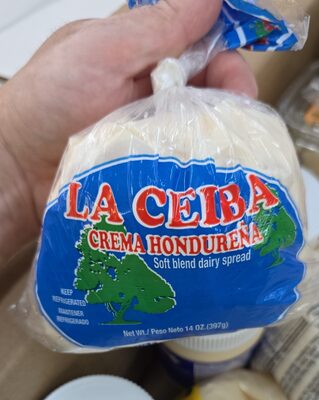 Quesos La Ricura
Crema Hondurena Soft Blend Dairy Spread, Crema Hondurena
214kcal
0Protein
17.9Fat
3.6Carbs
Quesos La Ricura
Crema Hondurena Soft Blend Dairy Spread, Crema Hondurena
214kcal
0Protein
17.9Fat
3.6Carbs
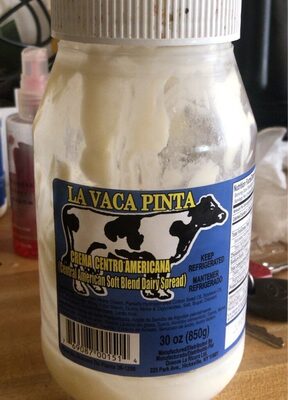 Quesos La Ricura
Central American Soft Blend Dairy Spread
214kcal
0Protein
17.9Fat
3.6Carbs
Edge Innovations
Sweet Potato Cheesecake
High in saturated fat — 75% DV per serving
High in cholesterol — 38% DV per serving
286kcal
4.1Protein
17.0Fat
29.9Carbs
Weis Markets, Inc.
Cream Of Potato Condensed Soup, Cream Of Potato
High in sodium — 35% DV per serving
80kcal
1.6Protein
2.4Fat
12Carbs
Gorant Candies, Inc.
Assorted Milk Chocolates
High in saturated fat — 35% DV per serving
489kcal
4.4Protein
26.7Fat
62.2Carbs
Dom's Bakery
Party Tray
481kcal
3.7Protein
29.6Fat
55.6Carbs
Quesos La Ricura
Central American Soft Blend Dairy Spread
214kcal
0Protein
17.9Fat
3.6Carbs
Edge Innovations
Sweet Potato Cheesecake
High in saturated fat — 75% DV per serving
High in cholesterol — 38% DV per serving
286kcal
4.1Protein
17.0Fat
29.9Carbs
Weis Markets, Inc.
Cream Of Potato Condensed Soup, Cream Of Potato
High in sodium — 35% DV per serving
80kcal
1.6Protein
2.4Fat
12Carbs
Gorant Candies, Inc.
Assorted Milk Chocolates
High in saturated fat — 35% DV per serving
489kcal
4.4Protein
26.7Fat
62.2Carbs
Dom's Bakery
Party Tray
481kcal
3.7Protein
29.6Fat
55.6Carbs
Learn more
Auto-generated content. This description was generated automatically and is pending editorial review. Inaccuracies are possible. Found a mistake? Contact us.