Partially Inverted Sugar
Auto-generated content. This description was generated automatically and is pending editorial review. Inaccuracies are possible. Found a mistake? Contact us.
What it is
Partially inverted sugar is a liquid sweetener made from sucrose (table sugar). It is produced by heating sucrose with water and an acid catalyst, which breaks down some of the sucrose into its component simple sugars: glucose and fructose. This process, called inversion, makes the sugar more soluble and less likely to crystallize.
Why it's used
Manufacturers use partially inverted sugar as a sweetener and humectant (moisture-retaining agent). It adds sweetness and helps prevent foods from drying out. It is commonly found in baked goods, confectionery, jams, and some processed meats.
Health notes
Partially inverted sugar is generally recognized as safe (GRAS) by the FDA for use as a sweetener. Like other sugars, it provides calories and can contribute to dental caries and other health issues if consumed in excess. The Joint FAO/WHO Expert Committee on Food Additives (JECFA) has evaluated sucrose and its derivatives, and EFSA has also assessed related substances. Evidence on the health effects of added sugars is extensive, with organizations like the World Health Organization recommending limits on their intake.
Allergen info
Not a major allergen. It is derived from sugar cane or sugar beets, neither of which are among the nine major allergens.
Products containing Partially Inverted Sugar
Compare products →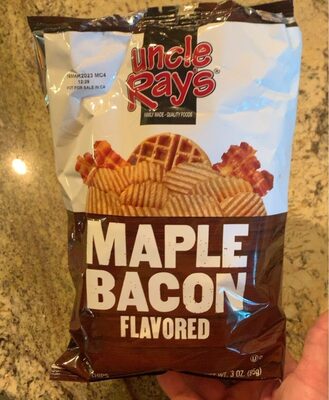 Uncle Rays, LLC
Uncle Rays, Potato Chips, Maple Bacon, Maple Bacon
607kcal
7.1Protein
35.7Fat
60.7Carbs
Waymouth Farms, Inc.
Maple Cinnamon
467kcal
10Protein
26.7Fat
53.3Carbs
Link Snacks, Inc.
Whiskey Glaze Premium Pork Strips
321kcal
32.1Protein
5.4Fat
28.6Carbs
Johnsonville Sausage, L.L.C.
Breakfast Sausage, French Toast
High in saturated fat — 22% DV per serving
291kcal
14.6Protein
23.6Fat
5.5Carbs
Uncle Rays, LLC
Uncle Rays, Potato Chips, Maple Bacon, Maple Bacon
607kcal
7.1Protein
35.7Fat
60.7Carbs
Waymouth Farms, Inc.
Maple Cinnamon
467kcal
10Protein
26.7Fat
53.3Carbs
Link Snacks, Inc.
Whiskey Glaze Premium Pork Strips
321kcal
32.1Protein
5.4Fat
28.6Carbs
Johnsonville Sausage, L.L.C.
Breakfast Sausage, French Toast
High in saturated fat — 22% DV per serving
291kcal
14.6Protein
23.6Fat
5.5Carbs
 Uncle Rays, LLC
Potato Chips, Maple Bacon
607kcal
7.1Protein
35.7Fat
60.7Carbs
Uncle Rays, LLC
Potato Chips, Maple Bacon
607kcal
7.1Protein
35.7Fat
60.7Carbs
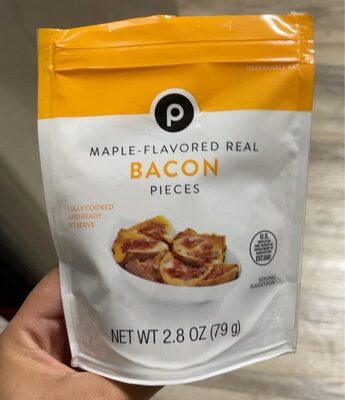 Publix Super Markets, Inc.
Maple-Flavored Fully Cooked Real Bacon Pieces, Maple
214kcal
28.6Protein
28.6Fat
0Carbs
Simmons Foods, Inc.
Dry Rub, Maple Bourbon
High in sodium — 41% DV per serving
225kcal
13.5Protein
14.6Fat
10.1Carbs
TH Foods, Inc.
Maple Brown Sugar Crispy, Baked Rice & Oat Thins Oatmeal Minis, Maple Brown Sugar
433kcal
6.7Protein
8.3Fat
80Carbs
Publix Super Markets, Inc.
Maple-Flavored Fully Cooked Real Bacon Pieces, Maple
214kcal
28.6Protein
28.6Fat
0Carbs
Simmons Foods, Inc.
Dry Rub, Maple Bourbon
High in sodium — 41% DV per serving
225kcal
13.5Protein
14.6Fat
10.1Carbs
TH Foods, Inc.
Maple Brown Sugar Crispy, Baked Rice & Oat Thins Oatmeal Minis, Maple Brown Sugar
433kcal
6.7Protein
8.3Fat
80Carbs