Pasilla Chile
What is Pasilla Chile?
The pasilla chile is a dried poblano pepper, native to Mexico. It is a dark brown, wrinkled pepper with a mild to medium heat and a rich, smoky, slightly fruity flavor. It's often dried and ground into a powder or used whole in cooking.
Is Pasilla Chile vegan?
Pasilla Chile is not animal-derived. Products that contain it can still include other animal-derived ingredients, so check the full ingredient list.
Is Pasilla Chile gluten-free?
It does not contain gluten.
Is Pasilla Chile a major allergen?
Pasilla chile is not derived from any of the nine FDA major allergens.
What is Pasilla Chile used for?
Pasilla chile is primarily used as a flavoring agent, adding depth and a mild smoky heat to dishes.
Is Pasilla Chile safe?
Pasilla chile is considered a vegetable and is generally recognized as safe for consumption.
Why it's used
Pasilla chile is primarily used as a flavoring agent, adding depth and a mild smoky heat to dishes. It is commonly found in Mexican and Southwestern cuisine, particularly in moles, chili powders, sauces, marinades, and rubs.
Health notes
Pasilla chile is considered a vegetable and is generally recognized as safe for consumption. It contains capsaicin, the compound responsible for the heat in peppers, which may have some antioxidant properties. Regulatory bodies like the FDA do not typically evaluate individual dried chiles as additives. There is no widespread controversy regarding its consumption at typical dietary levels.
Allergen info
Pasilla chile is not derived from any of the nine FDA major allergens. It does not contain gluten.
Foods that contain Pasilla Chile
Compare products →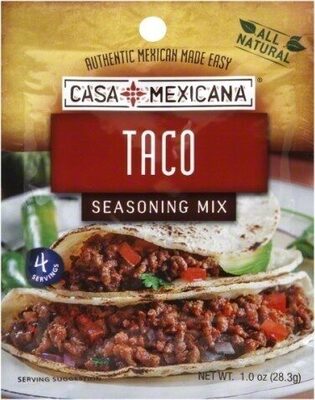
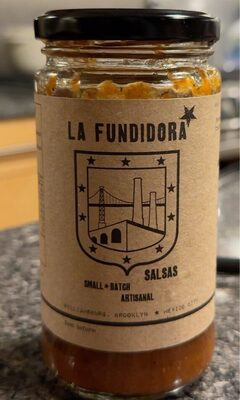
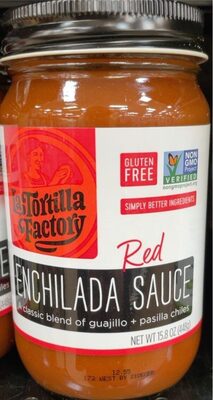
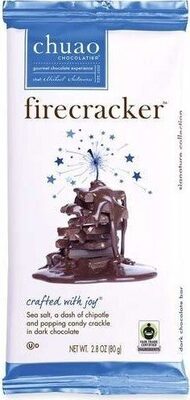
Learn more
Auto-generated content. This description was generated automatically and is pending editorial review. Inaccuracies are possible. Found a mistake? Contact us.