Pasta: Durum Wheat Semolina
What is Pasta: Durum Wheat Semolina?
Durum wheat semolina is a coarse flour made from durum wheat, a hard variety of wheat. It is the primary ingredient in most traditional pasta. The wheat is milled, and the bran and germ are removed, leaving the endosperm, which is then ground into semolina.
Is Pasta: Durum Wheat Semolina vegan?
Pasta: Durum Wheat Semolina is not animal-derived. Products that contain it can still include other animal-derived ingredients, so check the full ingredient list.
Is Pasta: Durum Wheat Semolina gluten-free?
It contains gluten.
Is Pasta: Durum Wheat Semolina a major allergen?
Durum wheat semolina is derived from wheat, which is one of the 9 FDA major allergens.
What is Pasta: Durum Wheat Semolina used for?
Semolina is used to make pasta, couscous, and puddings.
Is Pasta: Durum Wheat Semolina safe?
Durum wheat semolina is a source of carbohydrates, protein, and fiber.
Why it's used
Semolina is used to make pasta, couscous, and puddings. Its granular texture and high gluten content make it ideal for pasta, giving it a firm bite and preventing it from becoming mushy when cooked. It is also used as a coating for fried foods.
Health notes
Durum wheat semolina is a source of carbohydrates, protein, and fiber. The FDA considers it Generally Recognized As Safe (GRAS) for use in food. It is a common food staple and is not associated with adverse health effects when consumed as part of a balanced diet. The Joint FAO/WHO Expert Committee on Food Additives (JECFA) has evaluated semolina, but no specific numeric limits were set.
Allergen info
Durum wheat semolina is derived from wheat, which is one of the 9 FDA major allergens. It contains gluten.
Foods that contain Pasta: Durum Wheat Semolina
Compare products →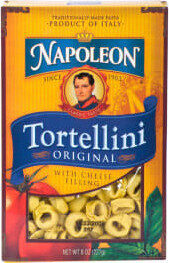
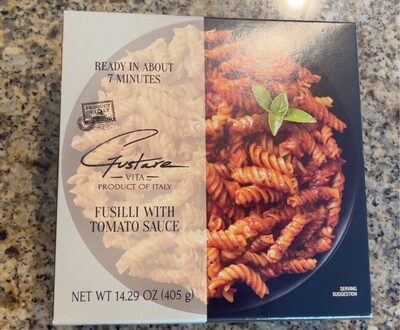
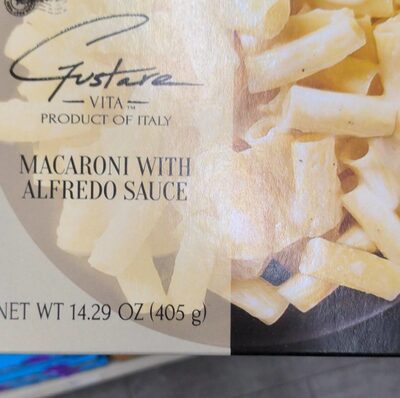
Learn more
Auto-generated content. This description was generated automatically and is pending editorial review. Inaccuracies are possible. Found a mistake? Contact us.