Pasteurized Cultured Sheep's Milk
Auto-generated content. This description was generated automatically and is pending editorial review. Inaccuracies are possible. Found a mistake? Contact us.
What it is
Pasteurized cultured sheep's milk is milk from sheep that has been heated to kill harmful bacteria and then had beneficial bacteria added to ferment it. This fermentation process, called culturing, gives the milk a tangy flavor and thicker texture, similar to yogurt.
Why it's used
Manufacturers use pasteurized cultured sheep's milk as a base for cheeses and other dairy products, adding a distinct flavor and creamy texture. It is commonly found in specialty cheeses, yogurts, and some sauces where a rich, tangy profile is desired.
Health notes
Pasteurized cultured sheep's milk is generally recognized as safe (GRAS) by the FDA for use in food. It is a source of protein, calcium, and other nutrients. International bodies like JECFA have evaluated dairy products, but specific evaluations for cultured sheep's milk are not widely publicized. At typical consumption levels, it is considered a nutritious food.
Allergen info
Milk is one of the 9 FDA major allergens. Therefore, pasteurized cultured sheep's milk is a major allergen.
Products containing Pasteurized Cultured Sheep's Milk
Compare products →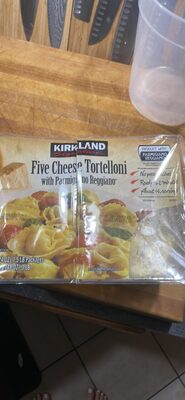 Costco Companies Inc.
Five Cheese Tortelloni With Parmigiano Reggiano
High in sodium — 21% DV per serving
High in saturated fat — 30% DV per serving
High in cholesterol — 23% DV per serving
280kcal
12Protein
10Fat
37Carbs
Costco Companies Inc.
Five Cheese Tortelloni With Parmigiano Reggiano
High in sodium — 21% DV per serving
High in saturated fat — 30% DV per serving
High in cholesterol — 23% DV per serving
280kcal
12Protein
10Fat
37Carbs
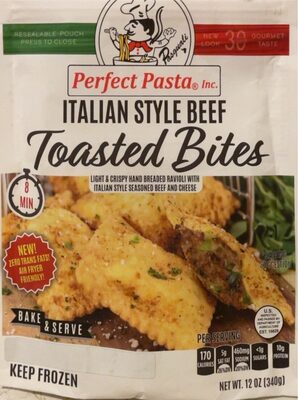 Perfect Pasta Inc.
Light & Crispy Hand Breaded Ravioli With Italian Style Seasoned Beef And Cheese Toasted Bites, Italian Style Beef
High in sodium — 23% DV per serving
High in saturated fat — 40% DV per serving
High in cholesterol — 20% DV per serving
208kcal
12.9Protein
11.9Fat
34.6Carbs
Perfect Pasta Inc.
Light & Crispy Hand Breaded Ravioli With Italian Style Seasoned Beef And Cheese Toasted Bites, Italian Style Beef
High in sodium — 23% DV per serving
High in saturated fat — 40% DV per serving
High in cholesterol — 20% DV per serving
208kcal
12.9Protein
11.9Fat
34.6Carbs
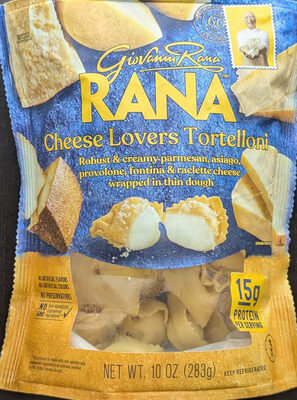 Mahco Inc
Cheese Lovers Tortelloni, Ricotta, Mascarpone, Parmigiano Reggiano, Mozzarella & Pecorino Romano - Robust Flavor
High in sodium — 23% DV per serving
High in saturated fat — 35% DV per serving
High in cholesterol — 27% DV per serving
270kcal
11Protein
10Fat
36Carbs
Mahco Inc
Cheese Lovers Tortelloni, Ricotta, Mascarpone, Parmigiano Reggiano, Mozzarella & Pecorino Romano - Robust Flavor
High in sodium — 23% DV per serving
High in saturated fat — 35% DV per serving
High in cholesterol — 27% DV per serving
270kcal
11Protein
10Fat
36Carbs