Pasteurized Organic Goat's Milk
Auto-generated content. This description was generated automatically and is pending editorial review. Inaccuracies are possible. Found a mistake? Contact us.
What it is
Pasteurized organic goat's milk is milk from goats raised under organic farming standards, meaning they are not given antibiotics or growth hormones and are fed organic feed. The milk is pasteurized, a process of heating to kill harmful bacteria, making it safe for consumption. It is the base ingredient for many dairy products.
Why it's used
Goat's milk is used to make a variety of dairy products, including cheeses, yogurt, butter, and ice cream. It can also be consumed as a beverage. Manufacturers use it for its distinct flavor and nutritional profile, offering an alternative to cow's milk.
Health notes
Pasteurized goat's milk is generally recognized as safe (GRAS) by the FDA for use in food. It is a source of protein, calcium, and other nutrients. International bodies like JECFA have evaluated milk and milk products. Some individuals who are sensitive to cow's milk may tolerate goat's milk better due to differences in protein structure, though it is still a dairy allergen.
Allergen info
Pasteurized organic goat's milk is derived from milk, which is one of the nine FDA major allergens. It does not contain gluten.
Products containing Pasteurized Organic Goat's Milk
Compare products →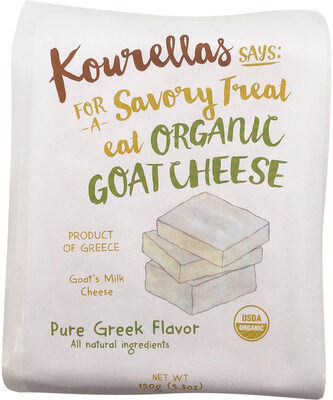 KOURELLAS SA
Pure Greek Flavor Organic Goat Cheese, Pure Greek
High in saturated fat — 25% DV per serving
321kcal
17.9Protein
25Fat
0Carbs
Zausner Foods Corp
Original Goat Cheese, Original
High in saturated fat — 22% DV per serving
267kcal
16.7Protein
23.3Fat
3.3Carbs
KOURELLAS SA
Pure Greek Flavor Organic Goat Cheese, Pure Greek
High in saturated fat — 25% DV per serving
321kcal
17.9Protein
25Fat
0Carbs
Zausner Foods Corp
Original Goat Cheese, Original
High in saturated fat — 22% DV per serving
267kcal
16.7Protein
23.3Fat
3.3Carbs
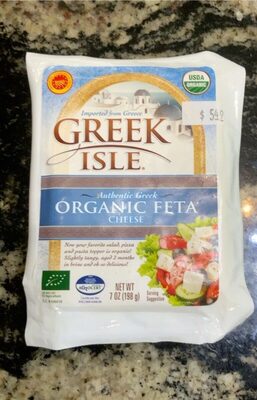 Saputo Cheese USA Inc.
Authentic Greek Organic Feta Cheese
High in saturated fat — 22% DV per serving
286kcal
17.9Protein
25Fat
0Carbs
BJ's Wholesale Club / Corporate Brands
Honey Goat Organic Cheese, Honey Goat
286kcal
14.3Protein
17.9Fat
14.3Carbs
Saputo Cheese USA Inc.
Authentic Greek Organic Feta Cheese
High in saturated fat — 22% DV per serving
286kcal
17.9Protein
25Fat
0Carbs
BJ's Wholesale Club / Corporate Brands
Honey Goat Organic Cheese, Honey Goat
286kcal
14.3Protein
17.9Fat
14.3Carbs