Vegetarian Rennet
What is Vegetarian Rennet?
Vegetarian rennet is an enzyme preparation used to coagulate milk, a process essential for making cheese. It is typically derived from microbial sources, such as fungi or bacteria, or from plants like thistle. These sources are cultivated and processed to extract enzymes that mimic the action of animal rennet.
Is Vegetarian Rennet vegan?
Vegetarian Rennet is not animal-derived. Products that contain it can still include other animal-derived ingredients, so check the full ingredient list.
Is Vegetarian Rennet gluten-free?
It does not contain gluten.
Is Vegetarian Rennet a major allergen?
Vegetarian rennet is not derived from any of the nine major allergens.
What is Vegetarian Rennet used for?
Manufacturers use vegetarian rennet as a coagulant in cheesemaking, allowing milk proteins to form curds.
Is Vegetarian Rennet safe?
Vegetarian rennet is generally recognized as safe (GRAS) by the FDA for use in food.
Why it's used
Manufacturers use vegetarian rennet as a coagulant in cheesemaking, allowing milk proteins to form curds. It is a common ingredient in a wide variety of cheeses, including cheddar, mozzarella, and Swiss, as well as in some processed cheese products and pasta sauces.
Health notes
Vegetarian rennet is generally recognized as safe (GRAS) by the FDA for use in food. It is an enzyme and is typically present in very small amounts in the final food product. International bodies like JECFA have evaluated enzymes used in food production. No significant health concerns are associated with its typical consumption.
Allergen info
Vegetarian rennet is not derived from any of the nine major allergens. It does not contain gluten.
Foods that contain Vegetarian Rennet
Compare products →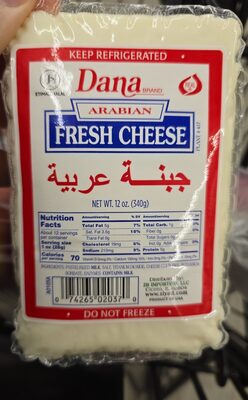
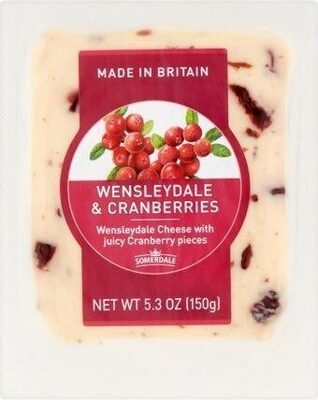
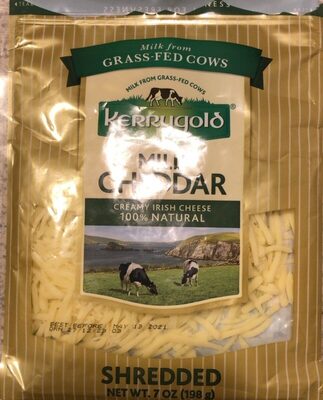
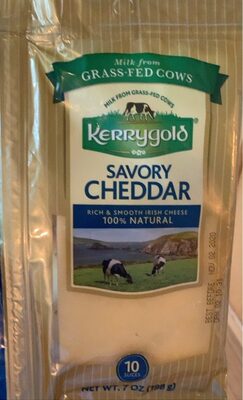
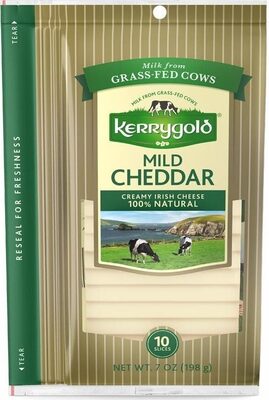
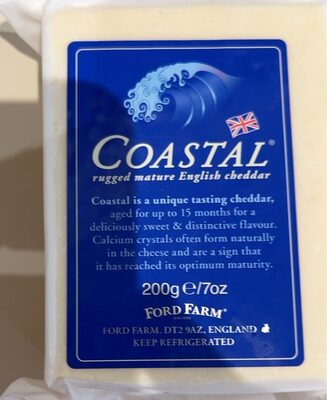
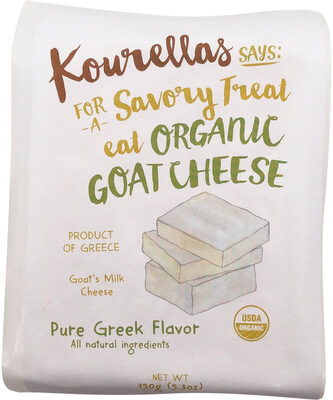
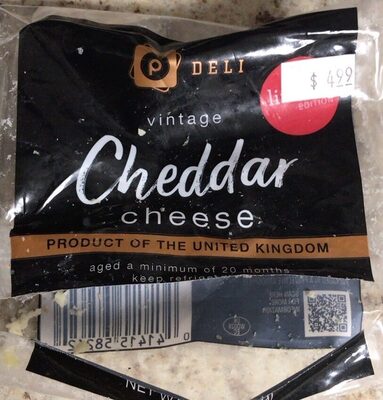
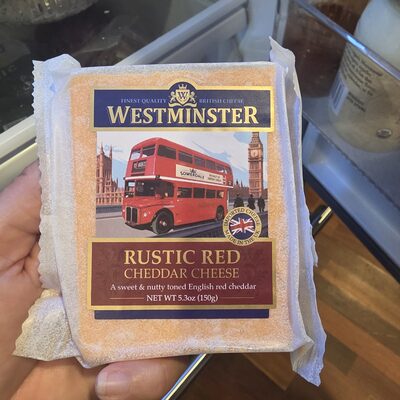
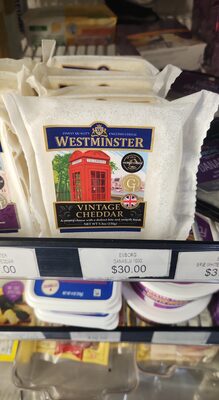
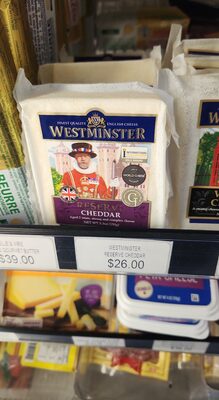
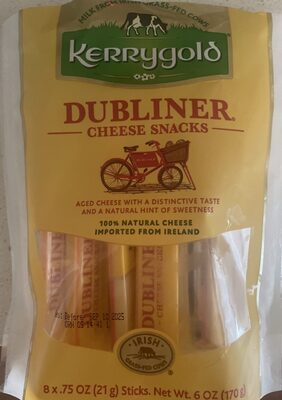
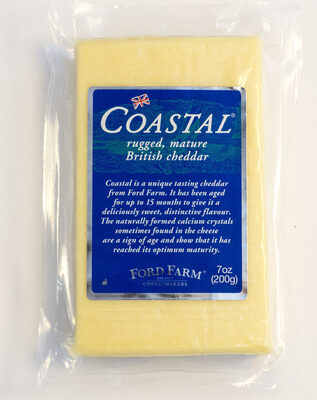
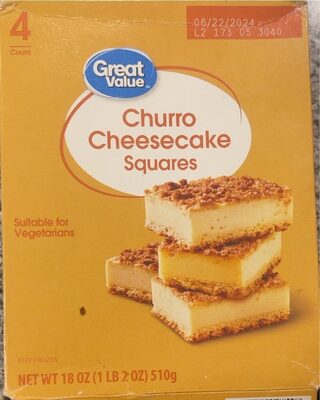
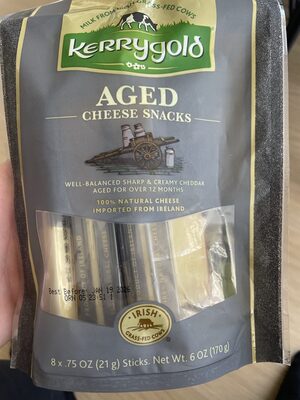
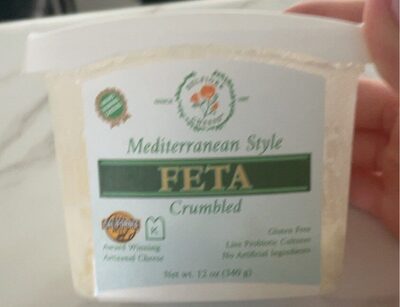
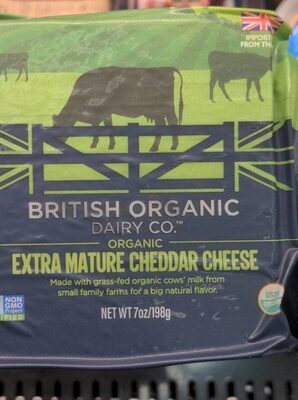
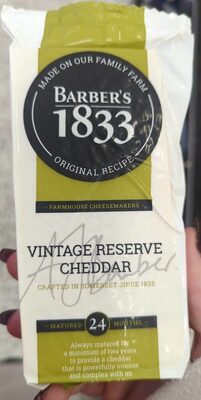
Auto-generated content. This description was generated automatically and is pending editorial review. Inaccuracies are possible. Found a mistake? Contact us.