Pasteurized
What is Pasteurized?
Pasteurization is a process of heating a food, typically a liquid, to a specific temperature for a set period to kill harmful microorganisms like bacteria, viruses, and yeasts. This process extends the shelf life of the food and makes it safer to consume. It is commonly applied to milk, juices, and other beverages.
Is Pasteurized a major allergen?
Pasteurization itself is a process and does not introduce allergens.
What is Pasteurized used for?
Pasteurization is primarily used to improve food safety and extend shelf life by reducing the number of spoilage microorganisms.
Is Pasteurized safe?
Pasteurization is a widely accepted food safety practice.
Why it's used
Pasteurization is primarily used to improve food safety and extend shelf life by reducing the number of spoilage microorganisms. It is most frequently applied to dairy products like milk and cheese, as well as fruit juices, eggs, and seafood. This process helps prevent foodborne illnesses without significantly altering the food's nutritional value or taste.
Health notes
Pasteurization is a widely accepted food safety practice. The U.S. Food and Drug Administration (FDA) requires pasteurization for milk and milk products sold commercially. International bodies like the World Health Organization (WHO) also support pasteurization as a key public health measure to prevent the spread of foodborne diseases. There are no known adverse health effects associated with consuming pasteurized foods at typical intake levels.
Allergen info
Pasteurization itself is a process and does not introduce allergens. However, the food being pasteurized may be or may be derived from one of the 9 FDA major allergens (e.g., milk).
Foods that contain Pasteurized
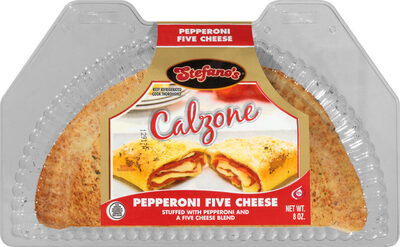
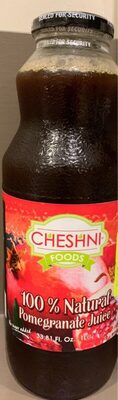
Compare products →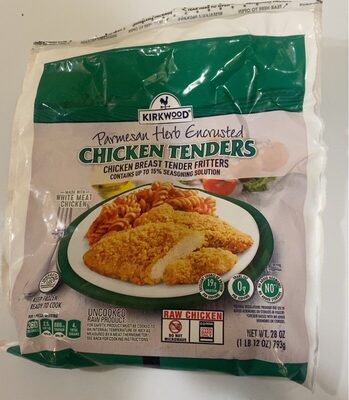


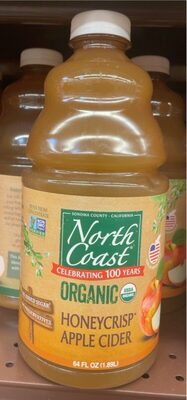
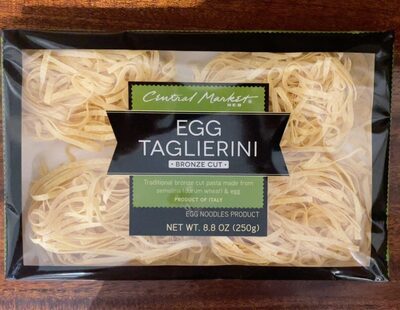

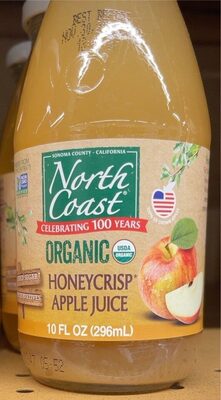
Auto-generated content. This description was generated automatically and is pending editorial review. Inaccuracies are possible. Found a mistake? Contact us.