Peanut Butter Cup Pieces
What is Peanut Butter Cup Pieces?
Peanut butter cup pieces are small, bite-sized pieces made from chocolate and peanut butter. They are typically created by mixing peanut butter with sugar and other ingredients, then coating it in chocolate. These pieces are then broken or cut into small portions for use in various food products.
Is Peanut Butter Cup Pieces a major allergen?
Peanut butter cup pieces are derived from peanuts and are therefore a major allergen.
What is Peanut Butter Cup Pieces used for?
Manufacturers add peanut butter cup pieces to provide a distinct chocolate and peanut butter flavor and texture.
Is Peanut Butter Cup Pieces safe?
Peanut butter cup pieces are generally recognized as safe (GRAS) by the FDA when used as intended.
Why it's used
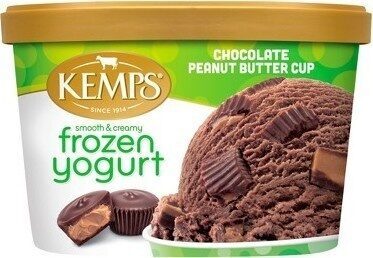
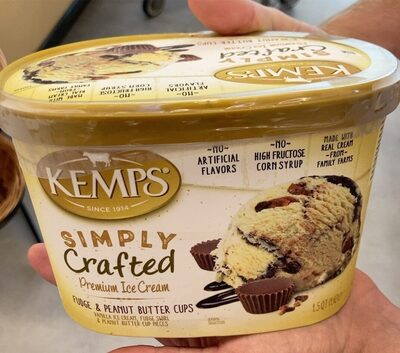
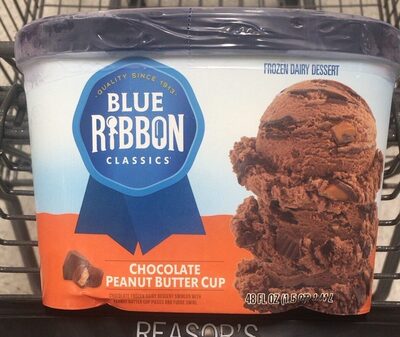
Manufacturers add peanut butter cup pieces to provide a distinct chocolate and peanut butter flavor and texture. They are commonly found in ice cream, yogurt, baked goods, and candy bars, where they add a sweet, rich element.
Health notes
Peanut butter cup pieces are generally recognized as safe (GRAS) by the FDA when used as intended. They are primarily a source of sugar and fat. Regulatory bodies like JECFA and EFSA have evaluated many individual ingredients commonly found in these pieces, such as sugar and cocoa. Evidence does not suggest adverse health effects from consuming typical amounts found in foods.
Allergen info
Peanut butter cup pieces are derived from peanuts and are therefore a major allergen. They may also contain milk and soy, which are also major allergens, depending on the specific chocolate coating used.
Foods that contain Peanut Butter Cup Pieces
Compare products →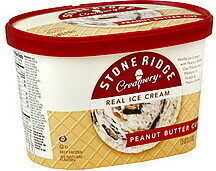
Auto-generated content. This description was generated automatically and is pending editorial review. Inaccuracies are possible. Found a mistake? Contact us.