Peanut Sunflower
What is Peanut Sunflower?
Peanut sunflower is a blend of peanuts and sunflower seeds. Both peanuts and sunflower seeds are common agricultural crops grown in the United States and other parts of the world. They are typically roasted and sometimes salted or seasoned before being combined.
Is Peanut Sunflower vegan?
Peanut Sunflower is not animal-derived. Products that contain it can still include other animal-derived ingredients, so check the full ingredient list.
Is Peanut Sunflower a major allergen?
Peanuts are one of the 9 major allergens identified by the FDA.
What is Peanut Sunflower used for?
This blend is primarily used as a snack ingredient, adding a combination of nutty and savory flavors and textures.
Is Peanut Sunflower safe?
Peanut sunflower is a source of protein, healthy fats, and fiber.
Why it's used
This blend is primarily used as a snack ingredient, adding a combination of nutty and savory flavors and textures. It is often found in trail mixes, snack bars, and as a topping for yogurt or salads.
Health notes
Peanut sunflower is a source of protein, healthy fats, and fiber. The FDA considers both peanuts and sunflower seeds to be safe and nutritious foods. Regulatory bodies like EFSA have evaluated individual components of similar food products, but specific evaluations for the blend 'peanut sunflower' are not common. As with any food, moderation is advised as part of a balanced diet.
Allergen info
Peanuts are one of the 9 major allergens identified by the FDA. Sunflower seeds are not considered a major allergen.
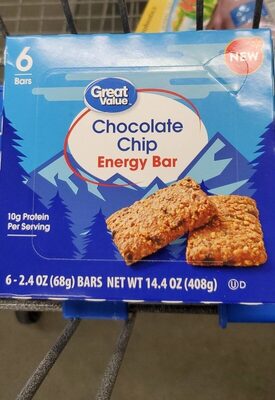
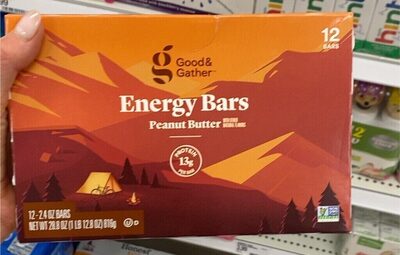
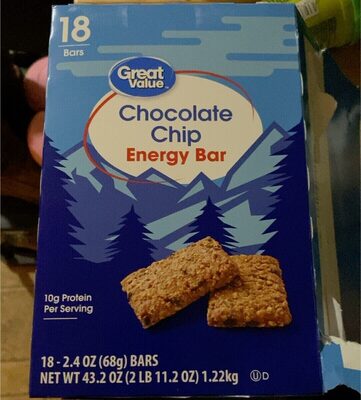
Foods that contain Peanut Sunflower
Compare products →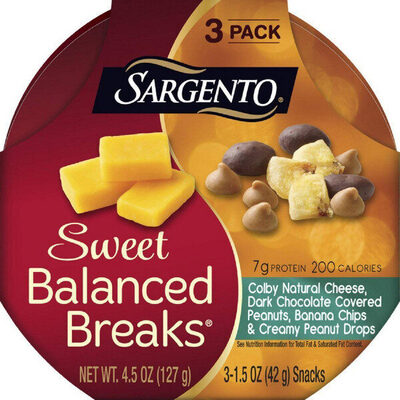
Auto-generated content. This description was generated automatically and is pending editorial review. Inaccuracies are possible. Found a mistake? Contact us.