Rolled Oats
Auto-generated content. This description was generated automatically and is pending editorial review. Inaccuracies are possible. Found a mistake? Contact us.
What it is
Rolled oats are a type of whole grain oat that has been steamed, flattened, and lightly toasted. This process makes them quicker to cook and easier to digest than whole oat groats. They are a common ingredient in many breakfast foods and baked goods.
Why it's used
Manufacturers add rolled oats to products primarily for their nutritional value, fiber content, and texture. They are widely used as a base for breakfast cereals, oatmeal, granola bars, and cookies. They also contribute to the structure and moisture retention in baked goods.
Health notes
Rolled oats are considered a whole food and are generally recognized as safe for consumption. They are a good source of dietary fiber, which can support digestive health and help manage cholesterol levels. As a whole food, they are not regulated as a food additive by the FDA, and bodies like JECFA and EFSA do not typically evaluate whole grains in the same manner as food additives. There are no notable controversies regarding the safety of rolled oats themselves.
Allergen info
Oats are not one of the 9 major allergens. While naturally gluten-free, oats can sometimes be processed in facilities that also handle wheat, barley, or rye, leading to potential cross-contamination with gluten.
Products containing Rolled Oats
Compare products →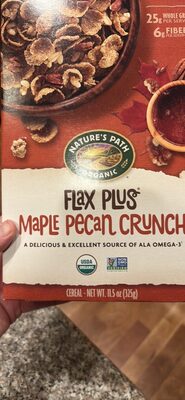 NATURE'S PATH
Maple Pecan Crunch
400kcal
10.9Protein
12.7Fat
69.1Carbs
NATURE'S PATH
Maple Pecan Crunch
400kcal
10.9Protein
12.7Fat
69.1Carbs
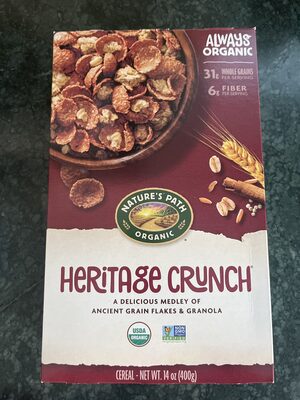 NATURE'S PATH ORGANIC
Cereal
418kcal
10.9Protein
5.5Fat
80Carbs
NATURE'S PATH ORGANIC
Premium Organic Granola
500kcal
6.7Protein
23.3Fat
66.7Carbs
NATURE'S PATH ORGANIC
Cereal
418kcal
10.9Protein
5.5Fat
80Carbs
NATURE'S PATH ORGANIC
Premium Organic Granola
500kcal
6.7Protein
23.3Fat
66.7Carbs