Penicilium Roqueforti
Auto-generated content. This description was generated automatically and is pending editorial review. Inaccuracies are possible. Found a mistake? Contact us.
What it is
Penicillium roqueforti is a type of mold used to make blue-veined cheeses, such as Roquefort. It is a naturally occurring mold that is intentionally introduced to the cheese during the cheesemaking process. The mold grows throughout the cheese, creating the characteristic blue veins and pungent flavor.
Why it's used
This mold is primarily used as a flavoring agent in cheese production. It gives blue cheeses their distinctive sharp, tangy, and earthy taste. It is found in various blue cheese varieties and products that incorporate blue cheese, like dips and salad dressings.
Health notes
Penicillium roqueforti is generally recognized as safe (GRAS) by the FDA for use in food. It is a natural component of many fermented foods and is not associated with adverse health effects when consumed as part of cheese. International bodies like JECFA and EFSA have evaluated molds used in food production, and this specific mold is considered safe for its intended use. There are no widespread controversies regarding its consumption.
Allergen info
Penicillium roqueforti itself is not one of the nine major allergens. However, it is often used in dairy products like cheese, which are derived from milk, a major allergen. It does not contain gluten.
Products containing Penicilium Roqueforti
Compare products →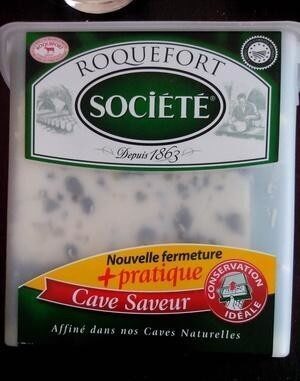 ROQUEFORT
Roquefort, 100% Pure Sheep's Milk Cheese
High in saturated fat — 30% DV per serving
357kcal
17.9Protein
32.1Fat
0Carbs
ROQUEFORT
Roquefort, 100% Pure Sheep's Milk Cheese
High in saturated fat — 30% DV per serving
357kcal
17.9Protein
32.1Fat
0Carbs
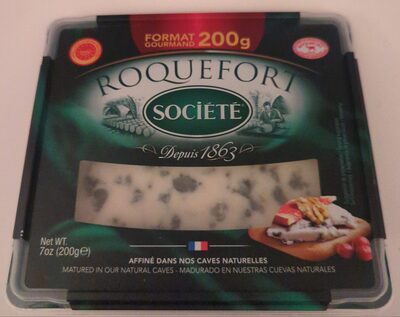 Societe Des Caves
Roquefort
High in saturated fat — 30% DV per serving
357kcal
17.9Protein
32.1Fat
0Carbs
Formaggio Italian Cheese Specialties Inc
Just Add Lettuce, Bleu Cheese & Cranberries
429kcal
7.1Protein
42.9Fat
14.3Carbs
Schnuck Markets, Inc.
Buffalo Style Chicken Dip, Buffalo Style
233kcal
10Protein
20Fat
3.3Carbs
Fairway Operating Corp.
Blue Cheese Stuffed Olives, Blue Cheese
381kcal
19.1Protein
28.6Fat
9.5Carbs
Societe Des Caves
Roquefort
High in saturated fat — 30% DV per serving
357kcal
17.9Protein
32.1Fat
0Carbs
Formaggio Italian Cheese Specialties Inc
Just Add Lettuce, Bleu Cheese & Cranberries
429kcal
7.1Protein
42.9Fat
14.3Carbs
Schnuck Markets, Inc.
Buffalo Style Chicken Dip, Buffalo Style
233kcal
10Protein
20Fat
3.3Carbs
Fairway Operating Corp.
Blue Cheese Stuffed Olives, Blue Cheese
381kcal
19.1Protein
28.6Fat
9.5Carbs