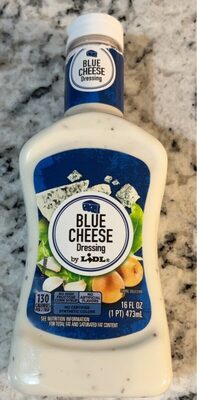
Blue Cheese
What is Blue Cheese?
Blue cheese is a type of cheese made from cow's milk, sheep's milk, or goat's milk that has been ripened with cultures of a mold, typically Penicillium roqueforti. This mold gives the cheese its characteristic blue or green veins and a sharp, tangy flavor.
Is Blue Cheese vegan?
No. Blue Cheese is animal-derived, so it is not vegan.
Is Blue Cheese gluten-free?
It does not contain gluten unless it is cross-contaminated during processing.
Is Blue Cheese a major allergen?
Blue cheese is derived from milk, which is one of the nine major allergens recognized by the FDA.
What is Blue Cheese used for?
Blue cheese is primarily used to add a distinct savory and pungent flavor to foods.
Is Blue Cheese safe?
Blue cheese is a natural food product and is generally recognized as safe by the FDA.
Why it's used
Blue cheese is primarily used to add a distinct savory and pungent flavor to foods. It is commonly found in salad dressings, dips, sauces, on pizzas, and as a topping for steaks and burgers.
Health notes
Blue cheese is a natural food product and is generally recognized as safe by the FDA. It is a source of protein and calcium. The World Health Organization (WHO) and the International Agency for Research on Cancer (IARC) have not classified blue cheese itself as a carcinogen. Like other fermented foods, it contains probiotics which may have health benefits.
Allergen info
Blue cheese is derived from milk, which is one of the nine major allergens recognized by the FDA. It does not contain gluten unless it is cross-contaminated during processing.
Foods that contain Blue Cheese
Compare products →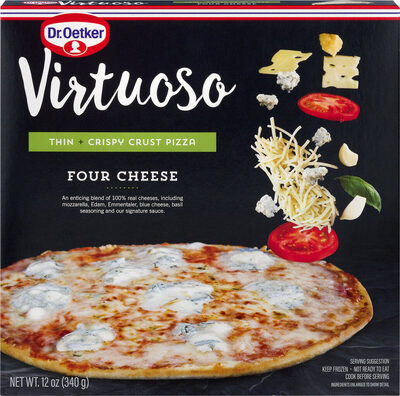
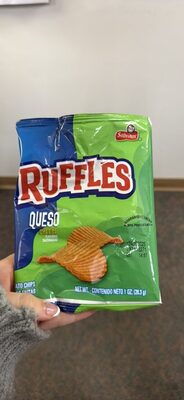
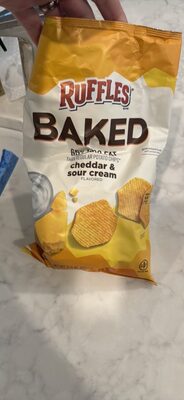
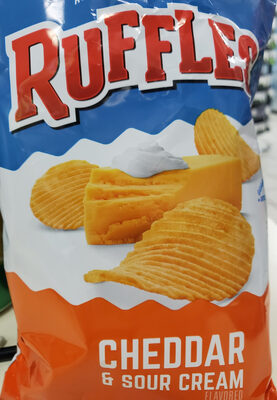
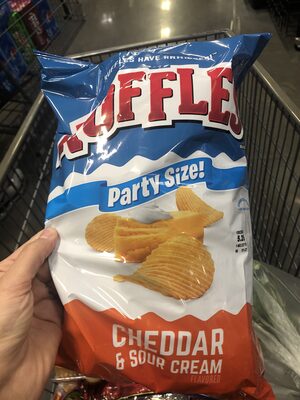
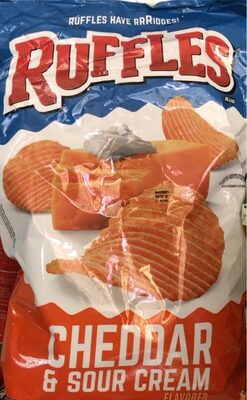
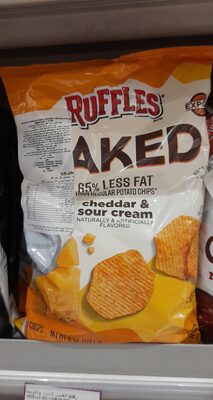
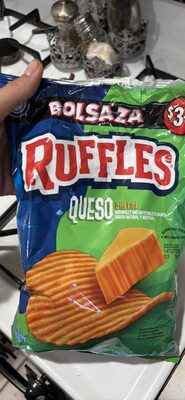 Ruffles
 Queso Cheese Potato Chips 6.5 Ounce Plastic Bag
536kcal
7.1Protein
35.7Fat
53.6Carbs
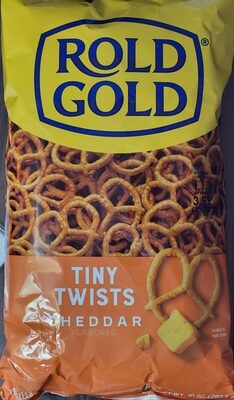
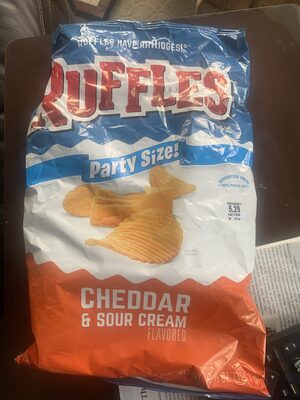
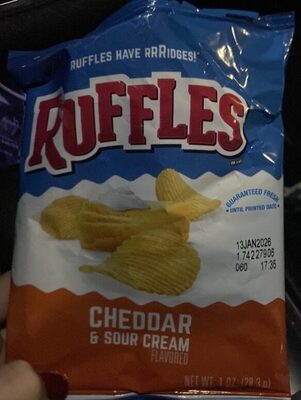
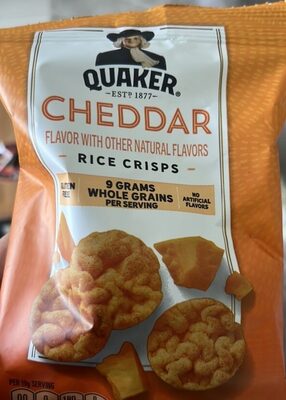 Quaker
 Cheddar Cheese Rice Snacks 0.67 Ounce Plastic Bag
451kcal
7.7Protein
16.8Fat
69.5Carbs

Learn more
Auto-generated content. This description was generated automatically and is pending editorial review. Inaccuracies are possible. Found a mistake? Contact us.