Unpasteurized Sheep's Milk
What is Unpasteurized Sheep's Milk?
Unpasteurized sheep's milk is milk collected from sheep that has not undergone pasteurization, a heat treatment process designed to kill harmful bacteria. This milk is typically used in the production of certain traditional cheeses.
Is Unpasteurized Sheep's Milk vegan?
No. Unpasteurized Sheep's Milk is animal-derived, so it is not vegan.
Is Unpasteurized Sheep's Milk a major allergen?
Milk is one of the nine major food allergens identified by the FDA.
What is Unpasteurized Sheep's Milk used for?
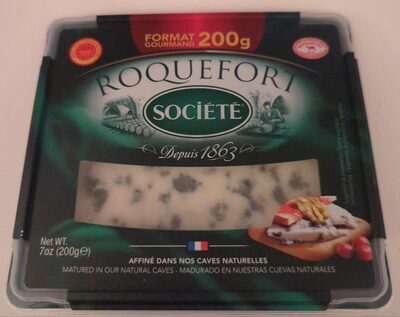
Manufacturers primarily use unpasteurized sheep's milk in the production of specialty cheeses, such as Roquefort and Pecorino Romano.
Is Unpasteurized Sheep's Milk safe?
The U.S. Food and Drug Administration (FDA) advises against consuming unpasteurized milk due to the risk of harmful bacteria like *Listeria*, *E. coli*, and *Salmonella*.
Why it's used
Manufacturers primarily use unpasteurized sheep's milk in the production of specialty cheeses, such as Roquefort and Pecorino Romano. Its unique flavor profile and traditional processing methods are key reasons for its use in these specific products.
Health notes
The U.S. Food and Drug Administration (FDA) advises against consuming unpasteurized milk due to the risk of harmful bacteria like *Listeria*, *E. coli*, and *Salmonella*. These bacteria can cause serious illness, especially in vulnerable populations. While some consumers prefer raw milk for perceived health benefits, the FDA emphasizes the potential safety risks. JECFA and EFSA do not typically evaluate raw agricultural products like unpasteurized milk for safety as they focus on food additives.
Allergen info
Milk is one of the nine major food allergens identified by the FDA.
Foods that contain Unpasteurized Sheep's Milk
Compare products →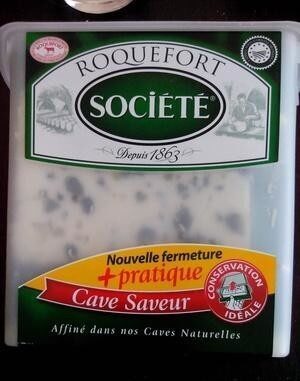
Learn more
Auto-generated content. This description was generated automatically and is pending editorial review. Inaccuracies are possible. Found a mistake? Contact us.