Peperomia Spp
What is Peperomia Spp?
Peperomia spp. refers to a large genus of flowering plants, commonly known as radiator plants or pepper dust. These plants are native to tropical and subtropical regions worldwide. They are typically grown as ornamental houseplants for their attractive foliage.
Is Peperomia Spp vegan?
Peperomia Spp is not animal-derived. Products that contain it can still include other animal-derived ingredients, so check the full ingredient list.
Is Peperomia Spp gluten-free?
They do not contain gluten.
Is Peperomia Spp a major allergen?
Peperomia spp. are not derived from any of the 9 FDA major allergens.
What is Peperomia Spp used for?
Peperomia spp. are not typically used as a food ingredient in packaged foods.
Is Peperomia Spp safe?
There is no established regulatory status for Peperomia spp. as a food ingredient in the United States.
Why it's used
Peperomia spp. are not typically used as a food ingredient in packaged foods. Their presence in products like herbal teas is unusual and may indicate a misunderstanding or misidentification of the ingredient. If it were used, it would likely be for flavoring or as a botanical extract.
Health notes
There is no established regulatory status for Peperomia spp. as a food ingredient in the United States. It is not listed by the FDA as GRAS (Generally Recognized As Safe) or as an approved food additive. Due to its uncommon use in food, there is limited information on its health effects at typical intake levels. No evaluations by JECFA or EFSA for food use are available.
Allergen info
Peperomia spp. are not derived from any of the 9 FDA major allergens. They do not contain gluten.
Foods that contain Peperomia Spp
Compare products →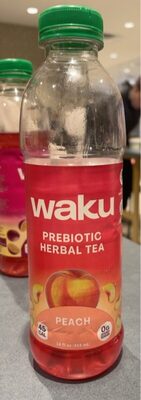
Auto-generated content. This description was generated automatically and is pending editorial review. Inaccuracies are possible. Found a mistake? Contact us.