Ph Control
What is Ph Control?
pH control refers to ingredients used to adjust and maintain the acidity or alkalinity of foods. These ingredients can be naturally occurring or synthesized. They work by buffering the food's pH, preventing unwanted chemical reactions or microbial growth.
Is Ph Control gluten-free?
Gluten is not typically associated with common pH control agents.
Is Ph Control a major allergen?
Depending on the specific pH control agent used, it may or may not be derived from major allergens.
What is Ph Control used for?
Manufacturers add pH control agents to preserve food, enhance flavor, and improve texture.
Is Ph Control safe?
Many common pH control agents are recognized as safe by the FDA.
Why it's used
Manufacturers add pH control agents to preserve food, enhance flavor, and improve texture. They are commonly found in processed cheeses, sauces, condiments like ketchup and mustard, and baked goods. These ingredients help maintain product stability and shelf life.
Health notes
Many common pH control agents are recognized as safe by the FDA. For example, citric acid and lactic acid are widely used and considered safe. Regulatory bodies like JECFA and EFSA have evaluated various pH control substances. While generally considered safe in typical food amounts, excessive intake of highly acidic or alkaline substances could potentially cause irritation.
Allergen info
Depending on the specific pH control agent used, it may or may not be derived from major allergens. For instance, lactic acid can be derived from dairy, while citric acid is often derived from corn or other plant sources. Gluten is not typically associated with common pH control agents.
Foods that contain Ph Control
Compare products →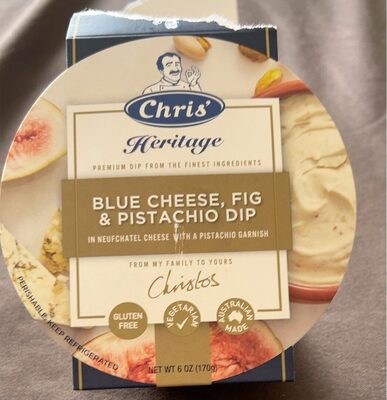 Heritage Blue Cheese, Fig & Pistachio Dip
High in saturated fat — 20% DV per serving
333kcal
6.7Protein
30Fat
6.7Carbs
Heritage Blue Cheese, Fig & Pistachio Dip
High in saturated fat — 20% DV per serving
333kcal
6.7Protein
30Fat
6.7Carbs
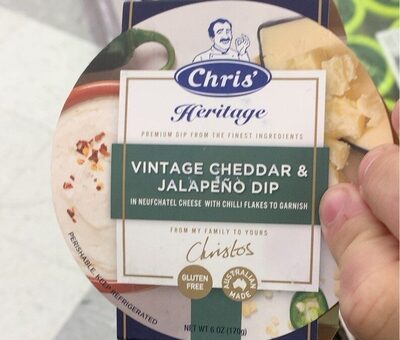 Heritage Vintage Cheddar & Jalapeo Dip
High in saturated fat — 25% DV per serving
333kcal
6.7Protein
33.3Fat
3.3Carbs
Huesby Farms, LLC
Vintage Cheddar & Caramelised Onion Dip In Neufchatel Cheese With Balsamic Caramelised Onion And Black Pepper Garnish, Vintage Cheddar & Caramelised Onion Dip
High in saturated fat — 25% DV per serving
333kcal
6.7Protein
30Fat
6.7Carbs
Huesby Farms, LLC
Goat Cheese & Black Truffle Dip, Goat Cheese & Black Truffle
High in saturated fat — 25% DV per serving
300kcal
6.7Protein
26.7Fat
3.3Carbs
Heritage Vintage Cheddar & Jalapeo Dip
High in saturated fat — 25% DV per serving
333kcal
6.7Protein
33.3Fat
3.3Carbs
Huesby Farms, LLC
Vintage Cheddar & Caramelised Onion Dip In Neufchatel Cheese With Balsamic Caramelised Onion And Black Pepper Garnish, Vintage Cheddar & Caramelised Onion Dip
High in saturated fat — 25% DV per serving
333kcal
6.7Protein
30Fat
6.7Carbs
Huesby Farms, LLC
Goat Cheese & Black Truffle Dip, Goat Cheese & Black Truffle
High in saturated fat — 25% DV per serving
300kcal
6.7Protein
26.7Fat
3.3Carbs
Auto-generated content. This description was generated automatically and is pending editorial review. Inaccuracies are possible. Found a mistake? Contact us.