Phosphated Mono- And Diglycerides
Auto-generated content. This description was generated automatically and is pending editorial review. Inaccuracies are possible. Found a mistake? Contact us.
What it is
Phosphated mono- and diglycerides are a type of emulsifier made from edible fats and oils. They are produced by reacting mono- and diglycerides with a phosphorylating agent, like phosphoric acid. This process creates a more stable emulsifier that can help blend oil and water-based ingredients.
Why it's used
Manufacturers add phosphated mono- and diglycerides to improve texture and stability in foods. They act as emulsifiers, helping to keep ingredients like oil and water mixed together. They are often found in baked goods, shortenings, and some dairy products.
Health notes
In the U.S., phosphated mono- and diglycerides are generally recognized as safe (GRAS) by the FDA when used for their intended purpose. Regulatory bodies like the Joint FAO/WHO Expert Committee on Food Additives (JECFA) have evaluated them. Evidence does not suggest adverse health effects at typical consumption levels.
Allergen info
Phosphated mono- and diglycerides are not derived from major allergens. They do not contain gluten.
Products containing Phosphated Mono- And Diglycerides
Compare products →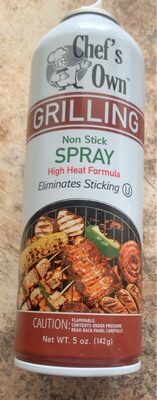 GS1 Mexico
Grilling Non Stick Spray
0kcal
0Protein
0Fat
0Carbs
Independent Marketing Alliance
Ultra Performance Food Release
0kcal
0Protein
0Fat
0Carbs
Ahold USA, Inc.
Non-Stick Cooking Spray, Grilling
0kcal
0Protein
0Fat
0Carbs
Conagra Brands, Inc.
Olive Oil No-Stick Cooking Spray, Olive Oil
0kcal
0Protein
0Fat
0Carbs
Bi-Lo Inc.
Bruschetta Bacon Stuffed Chicken Breast With Risotto & Brussels Sprouts, Bruschetta Bacon
High in sodium — 63% DV per serving
High in saturated fat — 45% DV per serving
116kcal
10.3Protein
4.3Fat
9.1Carbs
Smart & Final Iris Corporation
No Stick All Purpose Baking & Grilling Spray
0kcal
0Protein
0Fat
0Carbs
Conagra Brands, Inc.
Grilling No-Stick Cooking Spray, Grilling
0kcal
0Protein
0Fat
0Carbs
Meijer, Inc.
Grilling Non-Stick Cooking Spray, Grilling
0kcal
0Protein
0Fat
0Carbs
GS1 Mexico
Grilling Non Stick Spray
0kcal
0Protein
0Fat
0Carbs
Independent Marketing Alliance
Ultra Performance Food Release
0kcal
0Protein
0Fat
0Carbs
Ahold USA, Inc.
Non-Stick Cooking Spray, Grilling
0kcal
0Protein
0Fat
0Carbs
Conagra Brands, Inc.
Olive Oil No-Stick Cooking Spray, Olive Oil
0kcal
0Protein
0Fat
0Carbs
Bi-Lo Inc.
Bruschetta Bacon Stuffed Chicken Breast With Risotto & Brussels Sprouts, Bruschetta Bacon
High in sodium — 63% DV per serving
High in saturated fat — 45% DV per serving
116kcal
10.3Protein
4.3Fat
9.1Carbs
Smart & Final Iris Corporation
No Stick All Purpose Baking & Grilling Spray
0kcal
0Protein
0Fat
0Carbs
Conagra Brands, Inc.
Grilling No-Stick Cooking Spray, Grilling
0kcal
0Protein
0Fat
0Carbs
Meijer, Inc.
Grilling Non-Stick Cooking Spray, Grilling
0kcal
0Protein
0Fat
0Carbs