Pickle
What is Pickle?
Pickles are cucumbers that have been preserved in a brine or saltwater solution, or through fermentation. This process gives them their characteristic sour, tangy flavor and firm texture. They can be made with various spices and flavorings, such as dill, garlic, and mustard seed.
Is Pickle vegan?
Pickle is not animal-derived. Products that contain it can still include other animal-derived ingredients, so check the full ingredient list.
Is Pickle a major allergen?
Pickles themselves are not a major allergen.
What is Pickle used for?
Pickles are used as a condiment, a side dish, or an ingredient in many foods.
Is Pickle safe?
Pickles are generally recognized as safe (GRAS) by the FDA for use in food.
Why it's used
Pickles are used as a condiment, a side dish, or an ingredient in many foods. They add a briny, acidic flavor and a crunchy texture to sandwiches, burgers, salads, and appetizers. Manufacturers also use pickle brine in some processed foods for flavoring.
Health notes
Pickles are generally recognized as safe (GRAS) by the FDA for use in food. The high sodium content in some pickles can be a concern for individuals monitoring their salt intake. Regulatory bodies like JECFA have evaluated pickles and their components. Evidence on the health effects of pickles is mixed, with some studies suggesting potential benefits from fermentation, while others highlight the risks associated with high sodium.
Allergen info
Pickles themselves are not a major allergen. However, check the ingredient list for any added spices or flavorings that might contain allergens, such as mustard or dill, which are not among the major allergens.
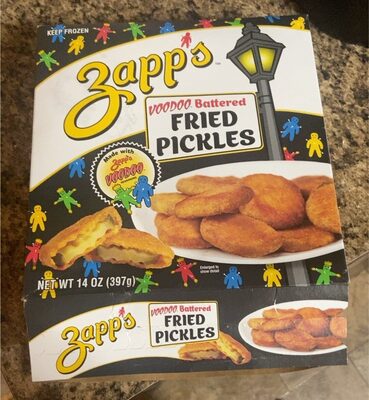
Foods that contain Pickle
Compare products →
Auto-generated content. This description was generated automatically and is pending editorial review. Inaccuracies are possible. Found a mistake? Contact us.