Pickled Cucumber
Auto-generated content. This description was generated automatically and is pending editorial review. Inaccuracies are possible. Found a mistake? Contact us.
What it is
Pickled cucumbers, commonly known as pickles, are cucumbers that have been preserved in brine (salt water), vinegar, or other solutions. This process not only preserves the cucumber but also gives it a distinct sour or tangy flavor. Pickling can be done through fermentation or by direct immersion in an acidic solution.
Why it's used
Pickled cucumbers are used to add a briny, acidic, and crunchy element to a wide variety of foods. They are frequently found in deli salads, sandwiches, burgers, and as a side dish or condiment. Manufacturers use them for their distinct flavor profile and texture.
Health notes
Pickled cucumbers are generally recognized as safe (GRAS) by the FDA when used as a food ingredient. The high sodium content in some pickles can be a concern for individuals monitoring their salt intake. International bodies like JECFA and EFSA have evaluated various food additives used in pickling brines, but pickles themselves are a traditional food item. Evidence does not suggest significant health risks at typical consumption levels.
Allergen info
Pickled cucumbers are not derived from any of the 9 FDA major allergens. They do not contain gluten.
Products containing Pickled Cucumber
Compare products →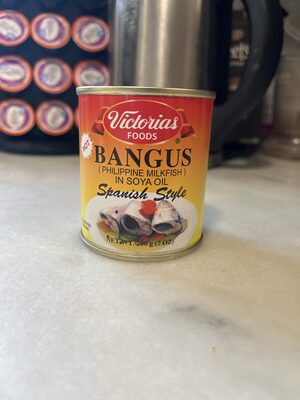 VICTORIAS
Victorias, Spanish Style Bangus (Philippine Milkfish) In Oil
214kcal
17.9Protein
14.3Fat
1.8Carbs
Overseas Food Dist Inc.
Golchin, Persian Pickles
High in sodium — 30% DV per serving
17kcal
0Protein
0Fat
3.3Carbs
Cedarlane Natural Foods, Inc.
Bow Tie Pasta Salad
210kcal
5Protein
8Fat
31Carbs
Century Canning Corporation
Century, Milkfish Chunks
179kcal
12.5Protein
14.3Fat
1.8Carbs
VICTORIAS
Victorias, Spanish Style Bangus (Philippine Milkfish) In Oil
214kcal
17.9Protein
14.3Fat
1.8Carbs
Overseas Food Dist Inc.
Golchin, Persian Pickles
High in sodium — 30% DV per serving
17kcal
0Protein
0Fat
3.3Carbs
Cedarlane Natural Foods, Inc.
Bow Tie Pasta Salad
210kcal
5Protein
8Fat
31Carbs
Century Canning Corporation
Century, Milkfish Chunks
179kcal
12.5Protein
14.3Fat
1.8Carbs
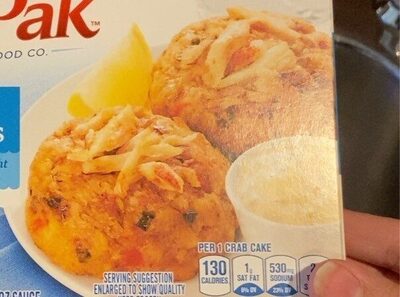 Rich Products Corporation
Maryland Style Crab Cakes Handmade With Wild Caught Blue Crab, Maryland Style Crab Cakes
High in sodium — 23% DV per serving
153kcal
11.8Protein
7.1Fat
9.4Carbs
Overseas Food Dist Inc.
Golchin, Baby Persian Pickles
High in sodium — 30% DV per serving
17kcal
0Protein
0Fat
3.3Carbs
Rich Products Corporation
Shrimp & Tartar Sauce, Shrimp & Tartar
53kcal
11.8Protein
0Fat
1.2Carbs
King Oscar, Inc.
Skinless & Boneless Spanish Style In Olive Oil Sardines
214kcal
23.8Protein
13.1Fat
0Carbs
Rich Products Corporation
Maryland Style Crab Cakes Handmade With Wild Caught Blue Crab, Maryland Style Crab Cakes
High in sodium — 23% DV per serving
153kcal
11.8Protein
7.1Fat
9.4Carbs
Overseas Food Dist Inc.
Golchin, Baby Persian Pickles
High in sodium — 30% DV per serving
17kcal
0Protein
0Fat
3.3Carbs
Rich Products Corporation
Shrimp & Tartar Sauce, Shrimp & Tartar
53kcal
11.8Protein
0Fat
1.2Carbs
King Oscar, Inc.
Skinless & Boneless Spanish Style In Olive Oil Sardines
214kcal
23.8Protein
13.1Fat
0Carbs