Pickling Salt
What is Pickling Salt?
Pickling salt is a type of salt specifically made for preserving and flavoring foods, especially vegetables. It is typically made from pure granulated salt, usually sodium chloride, with no additives like anti-caking agents. This purity is important for achieving clear brines and preventing cloudiness in pickled products.
Is Pickling Salt vegan?
Pickling Salt is not animal-derived. Products that contain it can still include other animal-derived ingredients, so check the full ingredient list.
Is Pickling Salt gluten-free?
It does not contain gluten.
Is Pickling Salt a major allergen?
Not a major allergen.
What is Pickling Salt used for?
Manufacturers use pickling salt to preserve foods by drawing out moisture and inhibiting microbial growth, and to add flavor.
Is Pickling Salt safe?
Pickling salt is FDA Generally Recognized As Safe (GRAS).
Why it's used
Manufacturers use pickling salt to preserve foods by drawing out moisture and inhibiting microbial growth, and to add flavor. Its fine, uniform grain size dissolves easily and evenly in brines, making it ideal for pickling vegetables like cucumbers, olives, and peppers. It is also used in making cured meats.
Health notes
Pickling salt is FDA Generally Recognized As Safe (GRAS). It is a form of sodium chloride, and excessive sodium intake is linked to high blood pressure. The WHO recommends limiting sodium intake. JECFA has evaluated sodium chloride and found no safety concerns at typical consumption levels.
Allergen info
Not a major allergen. It does not contain gluten.
Foods that contain Pickling Salt
Compare products →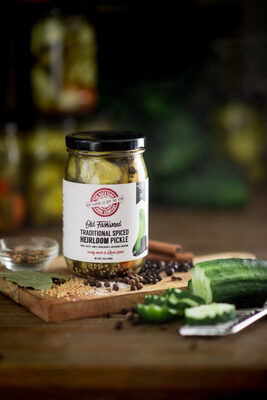
Auto-generated content. This description was generated automatically and is pending editorial review. Inaccuracies are possible. Found a mistake? Contact us.