Pitted Green Olives
What is Pitted Green Olives?
Green olives are unripe fruits from the olive tree (Olea europaea). They are typically cured in brine (saltwater) or a lye solution to remove their natural bitterness. After curing, they are often pitted and may be seasoned or stuffed.
Is Pitted Green Olives vegan?
Pitted Green Olives is not animal-derived. Products that contain it can still include other animal-derived ingredients, so check the full ingredient list.
Is Pitted Green Olives gluten-free?
They do not contain gluten.
Is Pitted Green Olives a major allergen?
Olives are not one of the nine major allergens recognized by the FDA.
What is Pitted Green Olives used for?
Pitted green olives are primarily used as a food ingredient or garnish.
Is Pitted Green Olives safe?
Pitted green olives are generally recognized as safe (GRAS) by the FDA for their intended use.
Why it's used
Pitted green olives are primarily used as a food ingredient or garnish. They add a salty, briny flavor and a firm texture to dishes. Common uses include pizzas, salads, pasta dishes, deli salads, and as a snack.
Health notes
Pitted green olives are generally recognized as safe (GRAS) by the FDA for their intended use. They are a source of monounsaturated fats and some vitamins and minerals. Due to their salt content from the curing process, excessive consumption could contribute to high sodium intake. JECFA has evaluated olives and their preparations.
Allergen info
Olives are not one of the nine major allergens recognized by the FDA. They do not contain gluten.
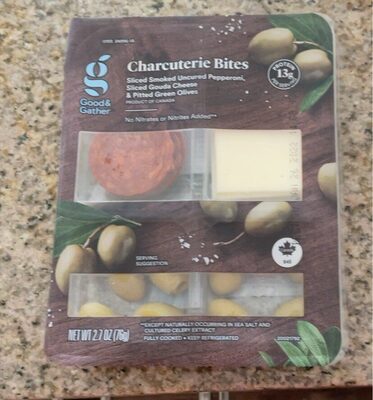
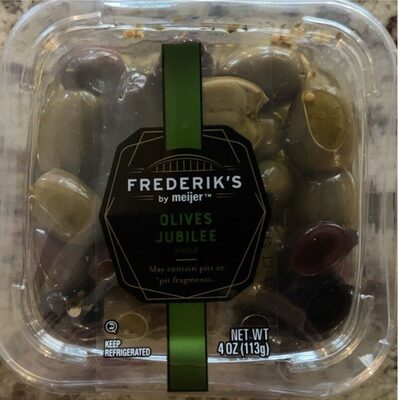
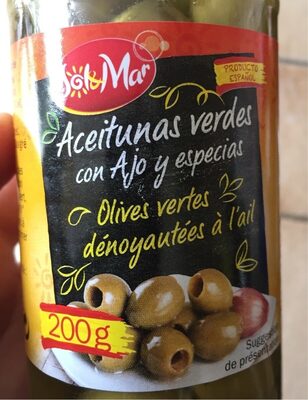
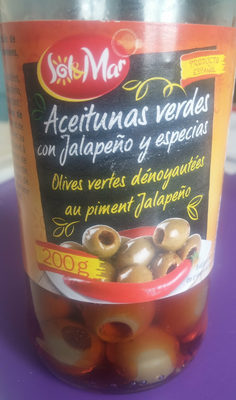
Foods that contain Pitted Green Olives
Compare products →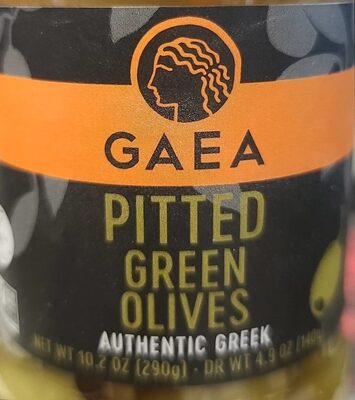
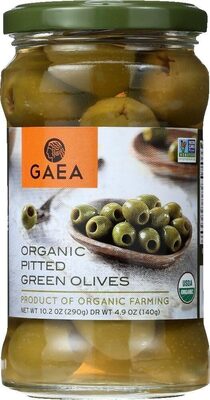


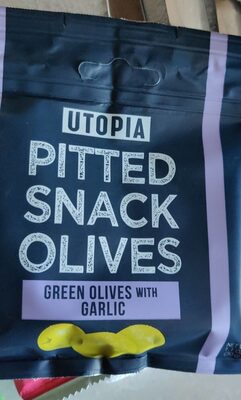
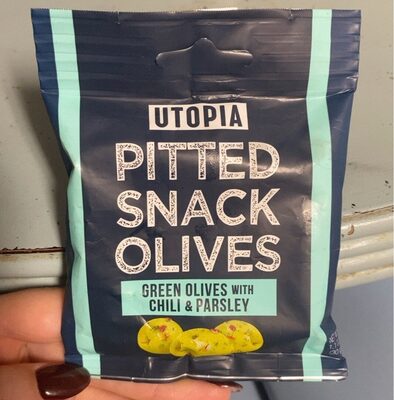




Auto-generated content. This description was generated automatically and is pending editorial review. Inaccuracies are possible. Found a mistake? Contact us.