Pitted Nicoise Style Olives
What is Pitted Nicoise Style Olives?
Nicoise-style olives are a variety of black olive, typically small and oval-shaped, originating from the Provence region of France. They are cured using methods that may involve brine or dry salting, often with herbs and other flavorings like garlic and lemon zest, to achieve a rich, fruity flavor.
Is Pitted Nicoise Style Olives vegan?
Pitted Nicoise Style Olives is not animal-derived. Products that contain it can still include other animal-derived ingredients, so check the full ingredient list.
Is Pitted Nicoise Style Olives gluten-free?
Olives are not one of the nine major allergens recognized by the FDA and do not contain gluten.
What is Pitted Nicoise Style Olives used for?
These olives are often used as a flavorful ingredient in Mediterranean and French cuisine.
Is Pitted Nicoise Style Olives safe?
Olives, including Nicoise-style, are a source of healthy fats and antioxidants.
Why it's used
These olives are often used as a flavorful ingredient in Mediterranean and French cuisine. Manufacturers might include them in dishes like salads, pasta, pizzas, and tapenades to add a distinct salty and savory taste.
Health notes
Olives, including Nicoise-style, are a source of healthy fats and antioxidants. The FDA considers olives to be generally recognized as safe (GRAS). Regulatory bodies like EFSA have evaluated olives, recognizing their nutritional value. While generally healthy in moderation, their high sodium content from the curing process should be considered as part of a balanced diet.
Allergen info
Olives are not one of the nine major allergens recognized by the FDA and do not contain gluten.
Foods that contain Pitted Nicoise Style Olives
Compare products →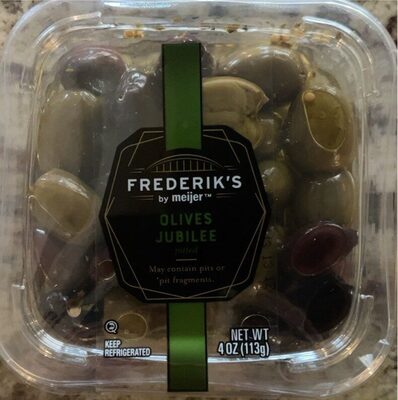 Meijer, Inc.
Pitted Olives Jubilee
281kcal
0Protein
28.1Fat
6.2Carbs
Meijer, Inc.
Pitted Olives Jubilee
281kcal
0Protein
28.1Fat
6.2Carbs
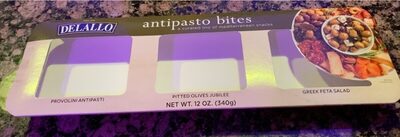 George DeLallo Co., Inc.
Antipasto Bites
High in sodium — 70% DV per serving
224kcal
7.1Protein
20Fat
4.7Carbs
LIDL
Pitted & Seasoned Olive Jubilee, Pitted & Seasoned
188kcal
0Protein
18.8Fat
6.2Carbs
George DeLallo Co., Inc.
Pitted Olives Jubilee
188kcal
0Protein
18.8Fat
6.2Carbs
Conagra Brands, Inc.
Pitted Olives Jubilee
188kcal
0Protein
18.8Fat
6.2Carbs
Wakefern Food Corporation
Shoprite, Kitchen, Pitted Olives Jubilee
188kcal
0Protein
18.8Fat
6.2Carbs
George DeLallo Co., Inc.
Pitted Olives Jubilee
188kcal
0Protein
18.8Fat
6.2Carbs
George DeLallo Co., Inc.
Pitted Olives Jubilee
281kcal
0Protein
28.1Fat
6.2Carbs
Safeway, Inc.
Pitted Marinated Olive Medley
281kcal
0Protein
28.1Fat
6.2Carbs
Safeway, Inc.
Pitted Marinated Olive Medley
281kcal
0Protein
28.1Fat
6.2Carbs
George DeLallo Co., Inc.
Pitted Olives Jubilee
188kcal
0Protein
18.8Fat
6.2Carbs
Delhaize America, Inc.
Taste Of Inspirations, Pitted Olive Jubilee
188kcal
0Protein
18.8Fat
6.2Carbs
George DeLallo Co., Inc.
Antipasto Bites
High in sodium — 70% DV per serving
224kcal
7.1Protein
20Fat
4.7Carbs
LIDL
Pitted & Seasoned Olive Jubilee, Pitted & Seasoned
188kcal
0Protein
18.8Fat
6.2Carbs
George DeLallo Co., Inc.
Pitted Olives Jubilee
188kcal
0Protein
18.8Fat
6.2Carbs
Conagra Brands, Inc.
Pitted Olives Jubilee
188kcal
0Protein
18.8Fat
6.2Carbs
Wakefern Food Corporation
Shoprite, Kitchen, Pitted Olives Jubilee
188kcal
0Protein
18.8Fat
6.2Carbs
George DeLallo Co., Inc.
Pitted Olives Jubilee
188kcal
0Protein
18.8Fat
6.2Carbs
George DeLallo Co., Inc.
Pitted Olives Jubilee
281kcal
0Protein
28.1Fat
6.2Carbs
Safeway, Inc.
Pitted Marinated Olive Medley
281kcal
0Protein
28.1Fat
6.2Carbs
Safeway, Inc.
Pitted Marinated Olive Medley
281kcal
0Protein
28.1Fat
6.2Carbs
George DeLallo Co., Inc.
Pitted Olives Jubilee
188kcal
0Protein
18.8Fat
6.2Carbs
Delhaize America, Inc.
Taste Of Inspirations, Pitted Olive Jubilee
188kcal
0Protein
18.8Fat
6.2Carbs
Auto-generated content. This description was generated automatically and is pending editorial review. Inaccuracies are possible. Found a mistake? Contact us.