Polyglycerol Polyricinoleate - Emulsifier
What is Polyglycerol Polyricinoleate - Emulsifier?
Polyglycerol polyricinoleate (PGPR) is a food additive made from vegetable oil. It is produced by chemically combining glycerol and ricinoleic acid, which is derived from castor beans.
Is Polyglycerol Polyricinoleate - Emulsifier vegan?
Polyglycerol Polyricinoleate - Emulsifier is not animal-derived. Products that contain it can still include other animal-derived ingredients, so check the full ingredient list.
Is Polyglycerol Polyricinoleate - Emulsifier gluten-free?
It does not contain gluten.
Is Polyglycerol Polyricinoleate - Emulsifier a major allergen?
Polyglycerol polyricinoleate is not derived from any of the 9 FDA major allergens.
What is Polyglycerol Polyricinoleate - Emulsifier used for?
PGPR is used as an emulsifier in food products.
Is Polyglycerol Polyricinoleate - Emulsifier safe?
In the United States, PGPR is permitted for use as a food additive.
Why it's used
PGPR is used as an emulsifier in food products. It helps to blend ingredients that normally don't mix, like oil and water, creating a smoother texture and preventing separation. It is commonly found in baked goods, chocolate, and confectionery.
Health notes
In the United States, PGPR is permitted for use as a food additive. Regulatory bodies like the Joint FAO/WHO Expert Committee on Food Additives (JECFA) and the European Food Safety Authority (EFSA) have evaluated PGPR. Studies on PGPR have generally found it to be safe for consumption at typical levels. There is no widespread controversy regarding its use.
Allergen info
Polyglycerol polyricinoleate is not derived from any of the 9 FDA major allergens. It does not contain gluten.
Foods that contain Polyglycerol Polyricinoleate - Emulsifier
Compare products →
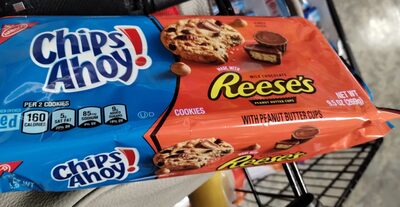
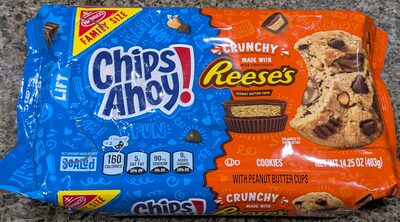
Learn more
Auto-generated content. This description was generated automatically and is pending editorial review. Inaccuracies are possible. Found a mistake? Contact us.