Polylysine
What is Polylysine?
Polylysine is a type of amino acid polymer, meaning it's made of many repeating lysine units. It is produced through fermentation using specific strains of bacteria, typically *Streptomyces* species.
Is Polylysine gluten-free?
It does not contain gluten.
Is Polylysine a major allergen?
Polylysine is not derived from any of the nine major allergens recognized by the FDA.
What is Polylysine used for?
Manufacturers use polylysine as a preservative to inhibit the growth of bacteria, yeasts, and molds.
Is Polylysine safe?
Polylysine is generally recognized as safe (GRAS) by the U.S. Food and Drug Administration (FDA) for use as an antimicrobial agent in certain foods.
Why it's used
Manufacturers use polylysine as a preservative to inhibit the growth of bacteria, yeasts, and molds. This helps extend the shelf life of foods. It is often found in products like sauces, dressings, and desserts.
Health notes
Polylysine is generally recognized as safe (GRAS) by the U.S. Food and Drug Administration (FDA) for use as an antimicrobial agent in certain foods. International bodies like JECFA have evaluated it. Evidence suggests it is well-tolerated at typical consumption levels.
Allergen info
Polylysine is not derived from any of the nine major allergens recognized by the FDA. It does not contain gluten.
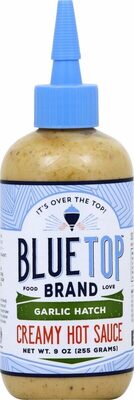
Foods that contain Polylysine
Compare products →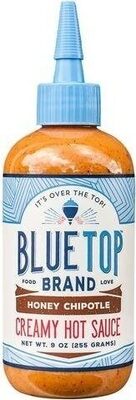
Learn more
Auto-generated content. This description was generated automatically and is pending editorial review. Inaccuracies are possible. Found a mistake? Contact us.