Polysorbate 80 And Carrageenan
What is Polysorbate 80 And Carrageenan?
Polysorbate 80 is a synthetic emulsifier made from sorbitol (a sugar alcohol) and oleic acid (a fatty acid derived from vegetable oils or animal fats). Carrageenan is a thickener and stabilizer extracted from red edible seaweeds.
Is Polysorbate 80 And Carrageenan gluten-free?
Neither contains gluten.
Is Polysorbate 80 And Carrageenan a major allergen?
Polysorbate 80 is not derived from major allergens.
What is Polysorbate 80 And Carrageenan used for?
Polysorbate 80 helps to blend oil and water, preventing separation in foods like ice cream and baked goods.
Is Polysorbate 80 And Carrageenan safe?
Both Polysorbate 80 and carrageenan are approved food additives in the US.
Why it's used
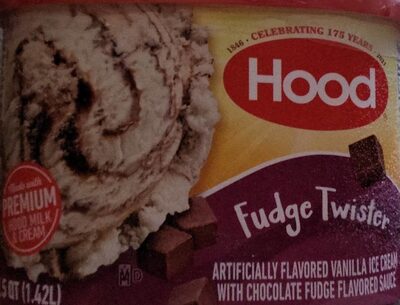
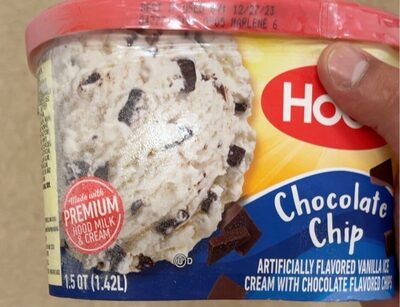
Polysorbate 80 helps to blend oil and water, preventing separation in foods like ice cream and baked goods. Carrageenan is used to thicken and stabilize dairy products, non-dairy alternatives, and processed meats, improving texture and mouthfeel.
Health notes
Both Polysorbate 80 and carrageenan are approved food additives in the US. The FDA lists polysorbate 80 as GRAS (Generally Recognized As Safe). Carrageenan is also permitted for use in food. Both have been evaluated by international bodies like JECFA and EFSA, which have established safety assessments. Some studies have raised questions about potential digestive or inflammatory effects of carrageenan at high doses, but regulatory bodies consider it safe at typical consumption levels.
Allergen info
Polysorbate 80 is not derived from major allergens. Carrageenan is derived from seaweed and is not a major allergen. Neither contains gluten.
Foods that contain Polysorbate 80 And Carrageenan
Compare products →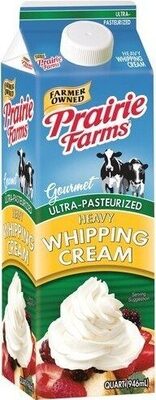
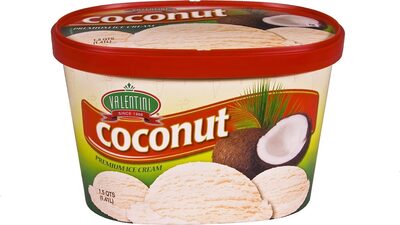
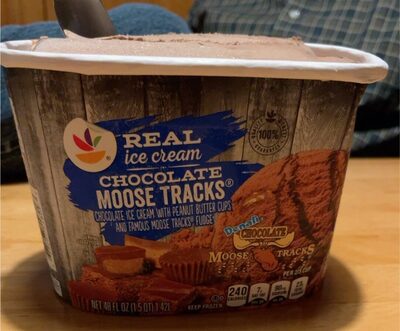
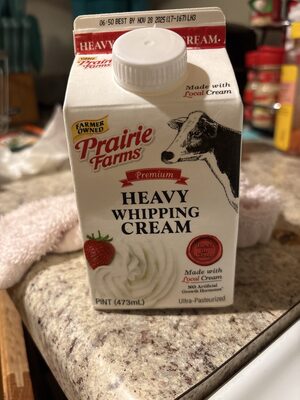
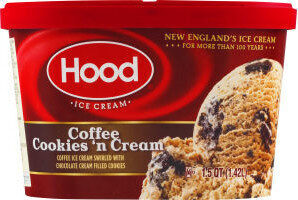
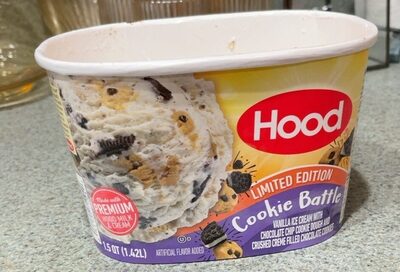
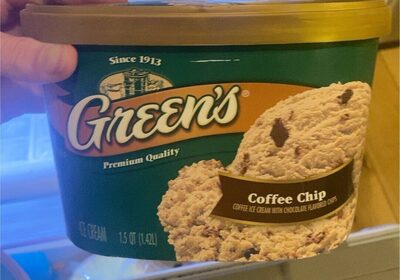
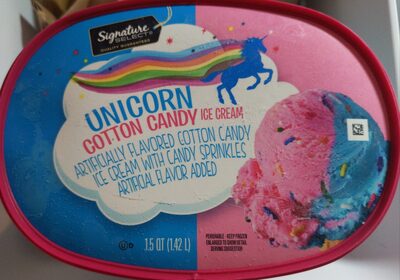
Learn more
Auto-generated content. This description was generated automatically and is pending editorial review. Inaccuracies are possible. Found a mistake? Contact us.