Polysorbate Go
What is Polysorbate Go?
Polysorbate 60 is a synthetic ingredient made from the reaction of sorbitol (a sugar alcohol) with ethylene oxide, followed by esterification with stearic acid (a fatty acid). It is a mixture of chemical compounds used as an emulsifier in food products.
Is Polysorbate Go gluten-free?
Polysorbate 60 is not derived from any of the 9 major FDA allergens and does not contain gluten.
What is Polysorbate Go used for?
Manufacturers add polysorbate 60 to help mix ingredients that normally don't blend well, like oil and water.
Is Polysorbate Go safe?
Polysorbate 60 is generally recognized as safe (GRAS) by the FDA for use in food.
Why it's used
Manufacturers add polysorbate 60 to help mix ingredients that normally don't blend well, like oil and water. This creates a smoother texture and prevents separation in foods such as cakes, cupcakes, cookies, and in pickled vegetables.
Health notes
Polysorbate 60 is generally recognized as safe (GRAS) by the FDA for use in food. Studies have not shown adverse health effects from consuming polysorbate 60 at typical levels found in food. International bodies like JECFA and EFSA have evaluated polysorbate 60 and found it safe for consumption. Some research has explored potential effects on gut health, but evidence at typical human intake levels is not conclusive.
Allergen info
Polysorbate 60 is not derived from any of the 9 major FDA allergens and does not contain gluten.
Foods that contain Polysorbate Go
Compare products →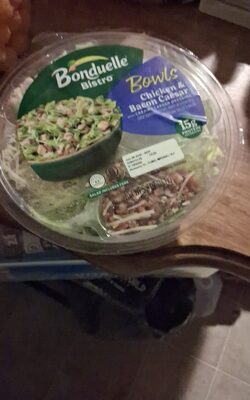
Learn more
Auto-generated content. This description was generated automatically and is pending editorial review. Inaccuracies are possible. Found a mistake? Contact us.