Polysorbates
What is Polysorbates?
Polysorbates are a group of emulsifiers made from sorbitol, a sugar alcohol, and fatty acids, often derived from plant oils or animal fats. They are manufactured through a process called ethoxylation, which involves reacting the fatty acids with ethylene oxide. This process creates a range of polysorbates, each with slightly different properties.
Is Polysorbates gluten-free?
Polysorbates are not derived from any of the 9 major allergens and do not contain gluten.
What is Polysorbates used for?
Manufacturers add polysorbates to foods to help mix ingredients that don't normally mix well, like oil and water.
Is Polysorbates safe?
Polysorbates are generally recognized as safe (GRAS) by the FDA for use in food.
Why it's used
Manufacturers add polysorbates to foods to help mix ingredients that don't normally mix well, like oil and water. This is called emulsification. They are commonly found in baked goods like cakes and cupcakes, as well as in ice cream and whipped toppings, to improve texture and prevent separation.
Health notes
Polysorbates are generally recognized as safe (GRAS) by the FDA for use in food. International bodies like JECFA and EFSA have also evaluated polysorbates and found them safe for consumption within specified limits. Studies on polysorbates have not shown significant adverse health effects at typical dietary intake levels. Some research has explored potential impacts on gut health, but more studies are needed to fully understand these effects.
Allergen info
Polysorbates are not derived from any of the 9 major allergens and do not contain gluten.
Foods that contain Polysorbates
Compare products →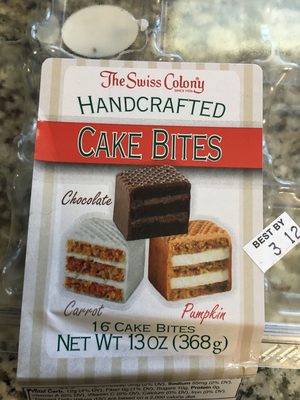
Learn more
Auto-generated content. This description was generated automatically and is pending editorial review. Inaccuracies are possible. Found a mistake? Contact us.