Pork Sea Salt
What is Pork Sea Salt?
Pork is the culinary name for meat from the domestic pig. Sea salt is a type of salt produced by evaporating seawater. When listed together as 'Pork Sea Salt' or appearing in products like cured meats, it indicates pork that has been processed or flavored with sea salt.
Is Pork Sea Salt vegan?
No. Pork Sea Salt is animal-derived, so it is not vegan.
Is Pork Sea Salt a major allergen?
Neither pork nor sea salt is considered a major allergen by the FDA.
What is Pork Sea Salt used for?
Sea salt is commonly used in conjunction with pork, especially in cured meat products like pepperoni, prosciutto, and salami.
Is Pork Sea Salt safe?
Pork is a source of protein and essential nutrients, though some cuts can be high in saturated fat.
Why it's used
Sea salt is commonly used in conjunction with pork, especially in cured meat products like pepperoni, prosciutto, and salami. It acts as a preservative, drawing out moisture and inhibiting bacterial growth, while also enhancing the flavor of the pork.
Health notes
Pork is a source of protein and essential nutrients, though some cuts can be high in saturated fat. The Dietary Guidelines for Americans (2025-2030) suggest limiting saturated fat. Sea salt is primarily sodium chloride. High sodium intake can contribute to high blood pressure in some individuals; the FDA Daily Value for sodium is 2,300 mg. JECFA has evaluated sodium chloride and concluded that an acceptable daily intake (ADI) is not specified, indicating its safety at typical consumption levels.
Allergen info
Neither pork nor sea salt is considered a major allergen by the FDA.
Foods that contain Pork Sea Salt
Compare products →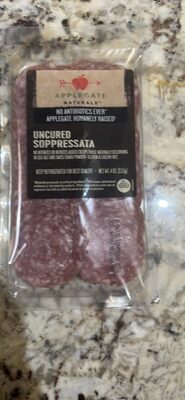 Hormel Foods Corporation
Uncured Soppressata, Uncured
High in sodium — 21% DV per serving
357kcal
28.6Protein
25Fat
0Carbs
Hormel Foods Corporation
Uncured Soppressata, Uncured
High in sodium — 21% DV per serving
357kcal
28.6Protein
25Fat
0Carbs
 Safeway, Inc.
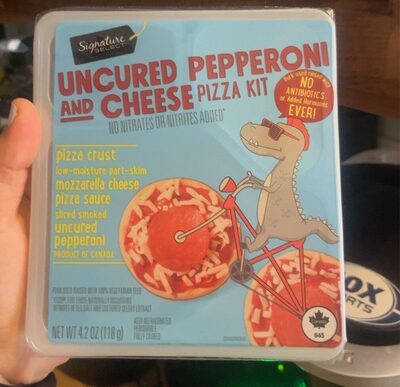
Uncured Pepperoni And Cheese Pizza Kit, Uncured Pepperoni And Cheese
High in sodium — 27% DV per serving
High in saturated fat — 35% DV per serving
280kcal
13.6Protein
12.7Fat
28.8Carbs
Safeway, Inc.
Uncured Pepperoni And Cheese Pizza Kit, Uncured Pepperoni And Cheese
High in sodium — 27% DV per serving
High in saturated fat — 35% DV per serving
280kcal
13.6Protein
12.7Fat
28.8Carbs
 Vermont Smoke & Cure, Inc.
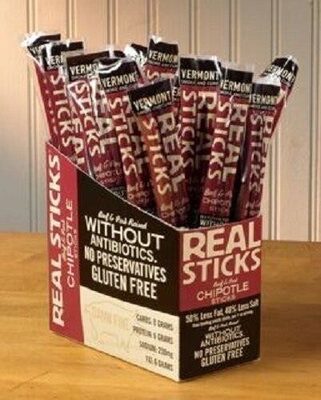
Smoked Chipotle Beef & Pork Stick, Smoked Chipotle
357kcal
21.4Protein
28.6Fat
3.6Carbs
La Quercia LLC
Prosciutto Cured Meats, Prosciutto
High in sodium — 25% DV per serving
250kcal
32.1Protein
10.7Fat
0Carbs
Vermont Smoke & Cure, Inc.
Smoked Chipotle Beef & Pork Stick, Smoked Chipotle
357kcal
21.4Protein
28.6Fat
3.6Carbs
La Quercia LLC
Prosciutto Cured Meats, Prosciutto
High in sodium — 25% DV per serving
250kcal
32.1Protein
10.7Fat
0Carbs
Learn more
Auto-generated content. This description was generated automatically and is pending editorial review. Inaccuracies are possible. Found a mistake? Contact us.