Potassium Benzoate Preservative
Auto-generated content. This description was generated automatically and is pending editorial review. Inaccuracies are possible. Found a mistake? Contact us.
What it is
Potassium benzoate is the potassium salt of benzoic acid. It is produced when benzoic acid is neutralized with potassium hydroxide. Benzoic acid is found naturally in small amounts in many plants, such as cranberries and plums, but is typically manufactured synthetically for food use.
Why it's used
Potassium benzoate is used as a preservative to prevent the growth of mold, yeast, and bacteria in foods and beverages. It is most effective in acidic conditions. It is commonly found in acidic foods like sodas, fruit juices, pickles, and salad dressings.
Health notes
Potassium benzoate is generally recognized as safe (GRAS) by the FDA for use as a food preservative. It is also approved for use in the European Union. JECFA and EFSA have evaluated potassium benzoate and its related compound, sodium benzoate. Some studies have raised concerns about the potential for benzoic acid and its salts to cause hyperactivity in children, but scientific reviews have not found consistent evidence to support this link at typical intake levels. In combination with ascorbic acid (Vitamin C), it can form small amounts of benzene, a potential carcinogen, under certain conditions like heat and light exposure, leading manufacturers to monitor and control these levels.
Allergen info
Potassium benzoate is not derived from any of the nine FDA major allergens. It does not contain gluten.
Products containing Potassium Benzoate Preservative
Compare products →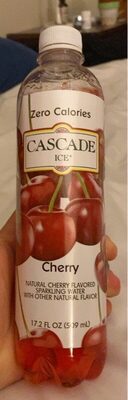 A&W Bottling Company, Inc.
Cherry Flavored Sparkling Water, Cherry
0kcal
0Protein
0Fat
0Carbs
Ahold USA, Inc.
Diet Cola With Lime, Lime
0kcal
0Protein
0Fat
0Carbs
Ahold USA, Inc.
Diet Orange Soda, Orange
0kcal
0Protein
0Fat
0Carbs
A&W Bottling Company, Inc.
Cherry Flavored Sparkling Water, Cherry
0kcal
0Protein
0Fat
0Carbs
Ahold USA, Inc.
Diet Cola With Lime, Lime
0kcal
0Protein
0Fat
0Carbs
Ahold USA, Inc.
Diet Orange Soda, Orange
0kcal
0Protein
0Fat
0Carbs
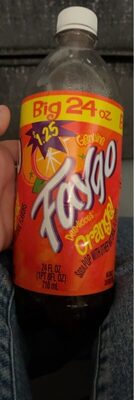 Faygo Beverages Inc.
Orange Soda Pop, Orange!
High in added sugars — 80% DV per serving
44kcal
0Protein
0Fat
11.1Carbs
Weis Markets, Inc.
Citrus Flavored Mountain Showers Soda, Citrus
High in added sugars — 96% DV per serving
51kcal
0Protein
0Fat
13.5Carbs
Faygo Beverages Inc.
Orange Soda Pop, Orange!
High in added sugars — 80% DV per serving
44kcal
0Protein
0Fat
11.1Carbs
Weis Markets, Inc.
Citrus Flavored Mountain Showers Soda, Citrus
High in added sugars — 96% DV per serving
51kcal
0Protein
0Fat
13.5Carbs