Potassium Sorbate As Preservatives
What is Potassium Sorbate As Preservatives?
Potassium sorbate is the potassium salt of sorbic acid. Sorbic acid is a naturally occurring organic compound found in some plants, like the berries of the mountain ash tree. It is typically manufactured synthetically for food use.
Is Potassium Sorbate As Preservatives vegan?
Potassium Sorbate As Preservatives is not animal-derived. Products that contain it can still include other animal-derived ingredients, so check the full ingredient list.
Is Potassium Sorbate As Preservatives gluten-free?
It does not contain gluten.
Is Potassium Sorbate As Preservatives a major allergen?
Potassium sorbate is not derived from any of the nine FDA major allergens.
What is Potassium Sorbate As Preservatives used for?
Potassium sorbate is used as a food preservative to inhibit the growth of mold, yeast, and bacteria.
Is Potassium Sorbate As Preservatives safe?
Potassium sorbate is generally recognized as safe (GRAS) by the U.S. Food and Drug Administration (FDA) when used as a food additive.
Why it's used
Potassium sorbate is used as a food preservative to inhibit the growth of mold, yeast, and bacteria. This helps extend the shelf life of various food products. It is commonly found in cheese, baked goods, dried fruits, and beverages.
Health notes
Potassium sorbate is generally recognized as safe (GRAS) by the U.S. Food and Drug Administration (FDA) when used as a food additive. International bodies like the Joint FAO/WHO Expert Committee on Food Additives (JECFA) and the European Food Safety Authority (EFSA) have also evaluated it. While generally considered safe at typical consumption levels, some individuals may experience mild allergic reactions or sensitivities, though this is rare.
Allergen info
Potassium sorbate is not derived from any of the nine FDA major allergens. It does not contain gluten.
Foods that contain Potassium Sorbate As Preservatives
Compare products →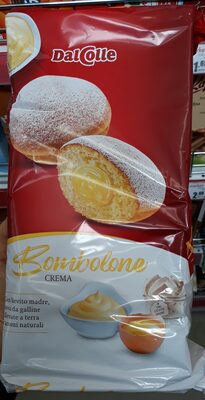
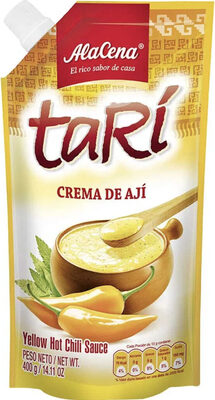
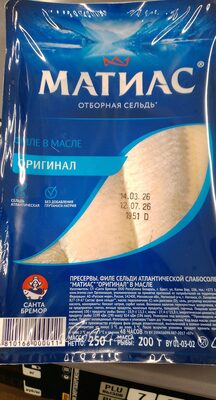
Learn more
Auto-generated content. This description was generated automatically and is pending editorial review. Inaccuracies are possible. Found a mistake? Contact us.