Preservative Enzymes
What is Preservative Enzymes?
Preservative enzymes are proteins that speed up specific chemical reactions in food. They are naturally present in many foods and can also be produced through fermentation using microorganisms like bacteria or fungi. These enzymes are often purified and concentrated for use as food ingredients.
Is Preservative Enzymes gluten-free?
Gluten is not typically present unless the enzyme production process involves gluten-containing grains.
Is Preservative Enzymes a major allergen?
Not a major allergen.
What is Preservative Enzymes used for?
Manufacturers add preservative enzymes to extend the shelf life of baked goods and other foods.
Is Preservative Enzymes safe?
Preservative enzymes are generally recognized as safe (GRAS) by the FDA for their intended use.
Why it's used
Manufacturers add preservative enzymes to extend the shelf life of baked goods and other foods. They work by slowing down spoilage processes, such as the staling of bread or the breakdown of starches. This helps maintain the desired texture and freshness of products like cakes, breads, and wraps.
Health notes
Preservative enzymes are generally recognized as safe (GRAS) by the FDA for their intended use. They are naturally occurring substances and are typically broken down during digestion. International bodies like JECFA have also evaluated enzymes used in food, and no significant health concerns are associated with their consumption at typical levels.
Allergen info
Not a major allergen. Enzymes are proteins, but they are not derived from the major allergens. Gluten is not typically present unless the enzyme production process involves gluten-containing grains.
Foods that contain Preservative Enzymes
Compare products →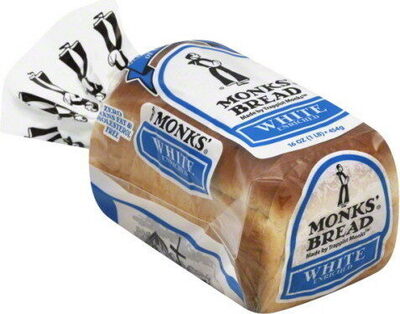 Abbey Of The Genesee Inc
White Enriched Bread
250kcal
7.1Protein
3.6Fat
50Carbs
Wal-Mart Stores, Inc.
All Butter Strawberry Danish, All Butter Strawberry
High in saturated fat — 40% DV per serving
High in added sugars — 42% DV per serving
333kcal
5.0Protein
13.1Fat
48.5Carbs
Sun Company, Inc. (R&M)
Sauage Egg Cheese Burrito
High in sodium — 82% DV per serving
High in saturated fat — 105% DV per serving
High in cholesterol — 146% DV per serving
280kcal
9.5Protein
17.3Fat
20.5Carbs
Abbey Of The Genesee Inc
White Enriched Bread
250kcal
7.1Protein
3.6Fat
50Carbs
Wal-Mart Stores, Inc.
All Butter Strawberry Danish, All Butter Strawberry
High in saturated fat — 40% DV per serving
High in added sugars — 42% DV per serving
333kcal
5.0Protein
13.1Fat
48.5Carbs
Sun Company, Inc. (R&M)
Sauage Egg Cheese Burrito
High in sodium — 82% DV per serving
High in saturated fat — 105% DV per serving
High in cholesterol — 146% DV per serving
280kcal
9.5Protein
17.3Fat
20.5Carbs
Learn more
Auto-generated content. This description was generated automatically and is pending editorial review. Inaccuracies are possible. Found a mistake? Contact us.