Promote Color Retention
What is Promote Color Retention?
Calcium chloride is a salt that occurs naturally as the mineral nadorite. It is typically produced industrially from limestone and salt. It is a white crystalline solid that is highly soluble in water.
Is Promote Color Retention vegan?
Promote Color Retention is not animal-derived. Products that contain it can still include other animal-derived ingredients, so check the full ingredient list.
Is Promote Color Retention gluten-free?
Calcium chloride is not a major allergen and does not contain gluten.
What is Promote Color Retention used for?
Calcium chloride is used to firm fruits and vegetables in canned goods, preventing them from becoming mushy.
Is Promote Color Retention safe?
Calcium chloride is Generally Recognized As Safe (GRAS) by the FDA for use in food.
Why it's used
Calcium chloride is used to firm fruits and vegetables in canned goods, preventing them from becoming mushy. It is also used in pickling to maintain crispness and in cheesemaking to help coagulate milk proteins. It can be found in canned beans, pickles, olives, and relishes.
Health notes
Calcium chloride is Generally Recognized As Safe (GRAS) by the FDA for use in food. It is a source of calcium and chloride ions, which are essential nutrients. The Joint FAO/WHO Expert Committee on Food Additives (JECFA) has evaluated calcium chloride and established an acceptable daily intake. It is not known to cause adverse health effects at typical dietary levels.
Allergen info
Calcium chloride is not a major allergen and does not contain gluten.
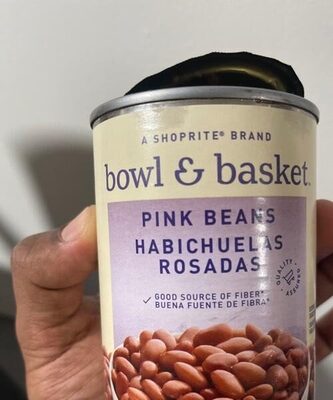
Foods that contain Promote Color Retention
Compare products →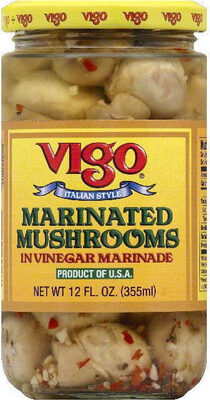
Auto-generated content. This description was generated automatically and is pending editorial review. Inaccuracies are possible. Found a mistake? Contact us.